
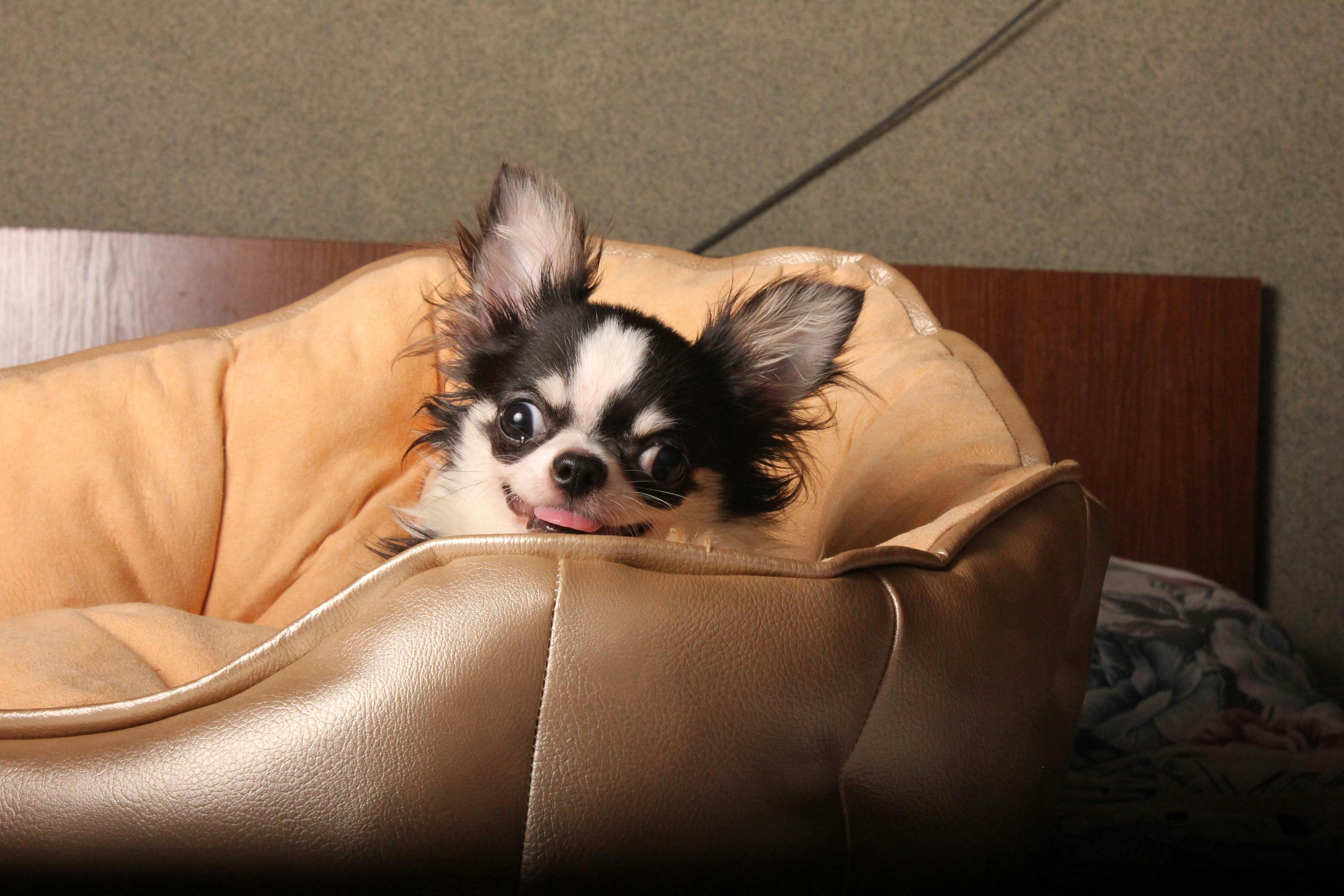
Dog beds
A good dog bed supports your dog’s joints, improves sleep quality, and gives them a place where they feel safe and relaxed

Best Dog Bed: How to Choose the Perfect Bed for Your Dog
Choosing the best dog bed isn’t just about buying something soft for your dog to lie on. Dogs spend a large portion of their lives sleeping — often 12–18 hours every day depending on their age and activity level. That means the bed you choose has a real impact on your dog’s comfort, health, and even behaviour.
A good dog bed supports your dog’s joints, improves sleep quality, and gives them a place where they feel safe and relaxed. In this guide, we’ll explain the different types of dog beds available in the UK, how they affect dog sleeping behaviour, and how to choose the right bed for your dog.
Why a Good Dog Bed Is Important
Dogs, like humans, need proper support when they sleep. Poor-quality beds can flatten quickly and provide little cushioning for your dog’s joints and muscles.
A high-quality dog bed can help:
- Support joints and reduce pressure on hips and shoulders
- Improve sleep quality and relaxation
- Reduce anxiety by providing a safe resting place
- Keep your dog warm and comfortable
- Prevent long-term joint stress in large or older dogs
For senior dogs or large breeds especially, choosing the best orthopedic dog bed UK owners recommend can make a huge difference to comfort and mobility.
Understanding Dog Sleeping Behaviour
Before choosing a bed, it helps to understand how dogs naturally sleep. Your dog’s sleeping style can tell you a lot about the type of bed they will prefer.
Common dog sleeping positions include:
Curled Up
Many dogs sleep curled into a ball with their tail tucked in. This position helps them conserve heat and feel secure.
Best bed type: Donut or bolster beds with raised edges.
Stretched Out
Some dogs love to stretch their legs fully when sleeping.
Best bed type: Large mattress-style beds that allow plenty of space.
Head Resting on an Edge
Dogs often rest their head on something while sleeping.
Best bed type: Bolster beds with raised sides.
Observing your dog’s sleeping behaviour for a few days can help you choose the most comfortable dog bed for their natural sleeping habits.
Types of Dog Beds Available
There are several popular types of dog beds available. Each offers different benefits depending on your dog’s needs.
Orthopedic Dog Beds
Orthopedic beds are widely considered the best dog beds for joint support.
These beds usually use high-density foam or memory foam to distribute weight evenly and reduce pressure on joints.
They are ideal for:
- Senior dogs
- Large breeds
- Dogs with arthritis or hip problems
- Dogs recovering from injury
Many veterinarians recommend orthopedic beds because they help keep the spine aligned and prevent pressure points from forming during sleep.
Memory Foam Dog Beds
Memory foam beds mould to the shape of your dog’s body. This provides customised support and improves comfort.
Benefits include:
- Even weight distribution
- Pressure relief for joints
- Better sleep quality
- Long-lasting support
For dogs that sleep for long periods or struggle with stiffness, memory foam dog beds are often one of the best options available in the UK.
Donut or Calming Dog Beds
Donut beds have soft raised edges that create a cosy, nest-like environment.
These beds are particularly good for dogs that:
- Curl up when sleeping
- Feel anxious or nervous
- Enjoy leaning against something
The raised rim provides both head support and a sense of security, which can help calm some dogs.
Mattress Dog Beds
Mattress-style beds are flat cushions without raised sides.
They are ideal for dogs that:
- Like to stretch out
- Are larger breeds
- Move around frequently while sleeping
Many owners of large dogs prefer mattress beds because they provide plenty of room and support.
How to Choose the Best Dog Bed
There are a few key factors to consider when buying a dog bed.
1. Choose the Right Size
The bed should be large enough for your dog to stretch comfortably.
A simple rule is that the bed should be slightly longer than your dog’s body length from nose to tail.
Large dogs often need extra-large orthopedic dog beds to prevent pressure on joints.
2. Consider Your Dog’s Age
Different life stages require different types of beds.
Puppies
- Soft and durable beds
- Washable covers for accidents
Adult dogs
- Comfortable beds with good cushioning
Senior dogs
- Orthopedic or memory foam beds for joint support
Older dogs often benefit most from high-quality orthopedic beds.
3. Look for Washable Covers
Dogs bring dirt, hair, and sometimes mud into their beds. Beds with removable, machine-washable covers make cleaning much easier.
This helps keep your dog’s sleeping area hygienic.
4. Choose Durable Materials
High-quality dog beds should be:
- Well padded
- Durable and long-lasting
- Resistant to flattening
- Comfortable but supportive
Cheaper beds often lose their shape quickly, which reduces comfort.
Where Should You Put Your Dog’s Bed?
Location matters almost as much as the bed itself.
Dogs often sleep best when their bed is placed:
- In a quiet corner
- Away from cold draughts
- Somewhere they feel safe
- Close enough to family activity to feel included
Many dogs also enjoy having more than one bed in different parts of the house.
Final Thoughts: Choosing the Best Dog Bed Owners Can Buy
The best dog bed is one that supports your dog’s health, comfort, and natural sleeping behaviour.
When choosing a dog bed, consider:
- Your dog’s size
- Their sleeping position
- Their age and health
- The durability of the bed
For many dogs, orthopedic memory foam beds provide the best overall comfort and support. However, donut beds and mattress beds can also be excellent choices depending on your dog’s personality and sleeping habits.
A well-chosen bed helps your dog sleep better — and a well-rested dog is usually a happier dog.
Want to Understand Your Dog Even Better?
Your dog communicates through behaviour, body language, and habits — including how they sleep.
With PawPaw, you can upload a video of your dog and discover what their behaviour might be telling you. The app turns everyday dog moments into fun talking-dog videos while helping you understand your dog better.
Because when you understand your dog, your bond becomes even stronger. 🐾