
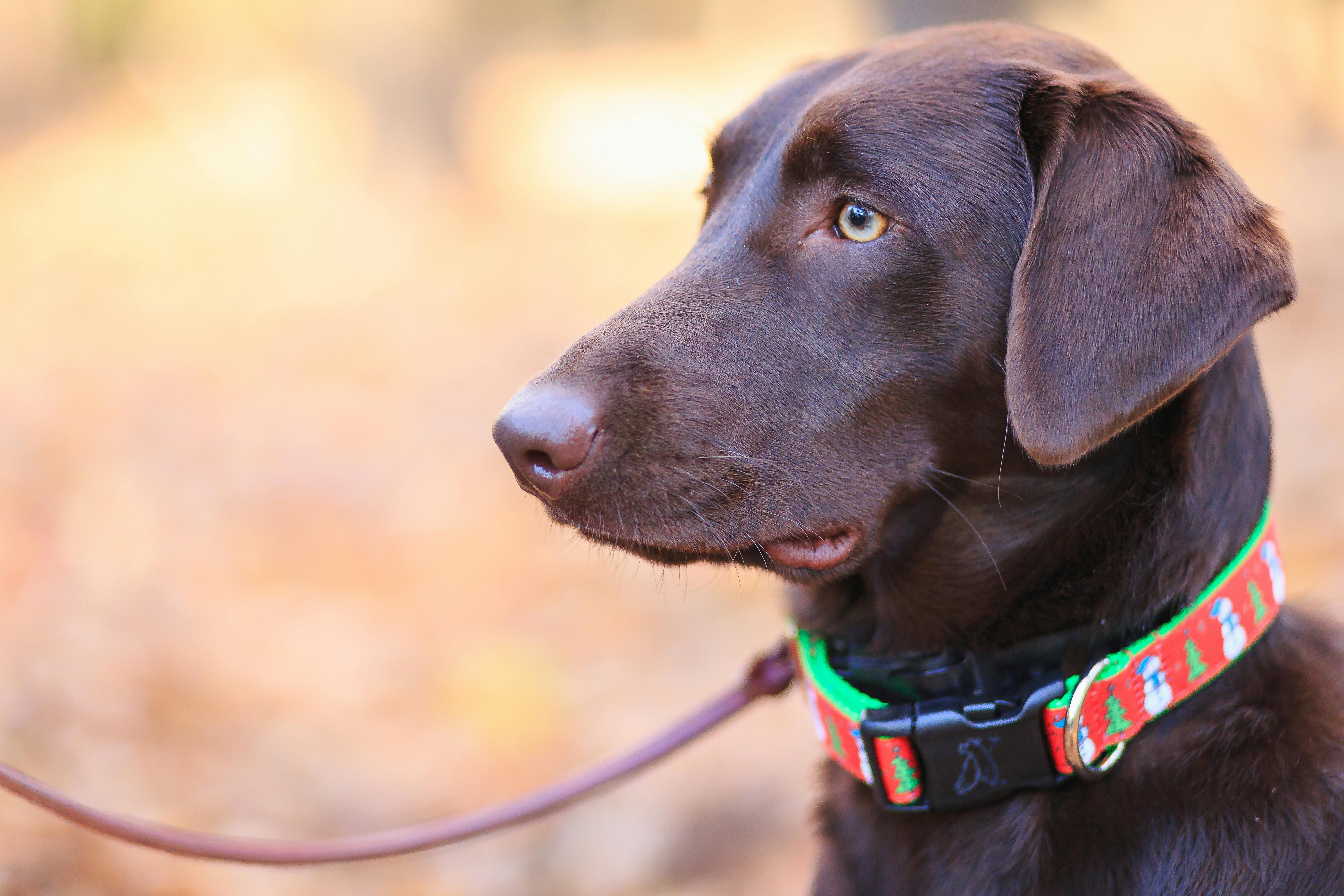
Dog collars
A dog collar is one of the first accessories most owners buy for their dog. While it might seem like a simple purchase, the right dog collar ...

Dog Collars Guide: How to Choose the Best Dog Collar for Your Dog
A dog collar is one of the first accessories most owners buy for their dog. While it might seem like a simple purchase, the right dog collar plays an important role in your dog’s safety, comfort, and training.
Whether you’re bringing home a new puppy or replacing an old collar, choosing the best dog collar requires understanding the different types available and how they suit different dogs.
In this guide, we’ll explain the most common types of dog collars, how to choose the right size, and what to consider when selecting a collar for your dog.
Why Dog Collars Are Important
Dog collars serve several important purposes beyond simply attaching a lead.
A good dog collar helps:
- Keep your dog safe during walks
- Hold identification tags and contact information
- Assist with training and control
- Provide a way to attach a lead or harness
- Identify your dog if they become lost
In many places, including the UK, it is recommended that dogs wear a collar with an ID tag containing the owner's contact information when in public.
Types of Dog Collars
There are several types of dog collars available, each designed for different situations and dog behaviours.
Flat Dog Collars
Flat collars are the most common type of dog collar. They usually feature a buckle or quick-release clip and are made from materials such as nylon, leather, or fabric.
Flat collars are suitable for most dogs and are ideal for everyday use.
Benefits include:
- Comfortable for daily wear
- Easy to attach identification tags
- Available in many sizes and styles
- Simple to use
Flat collars are a great choice for well-trained dogs that do not pull excessively on the lead.
Martingale Collars
Martingale collars are designed to provide more control without choking the dog. They tighten slightly when a dog pulls but stop tightening before becoming too tight.
They are commonly used for breeds with narrow heads such as:
- Greyhounds
- Whippets
- Italian Greyhounds
Martingale collars help prevent dogs from slipping out of their collars during walks.
Harness-Style Collars
Although technically different from collars, harnesses are often used as an alternative because they distribute pressure across the dog’s chest rather than the neck.
Harnesses are particularly helpful for:
- Dogs that pull on the lead
- Small breeds with delicate necks
- Dogs with respiratory issues
Many trainers recommend harnesses for puppies during training.
Training Collars
Some collars are designed specifically for training purposes.
These include:
- Slip collars
- Head collars
- Training collars
These tools should only be used with proper guidance to ensure they are used safely and effectively.
Positive reinforcement training is generally recommended as the best method for teaching dogs.
Choosing the Right Dog Collar Size
Getting the correct collar size is essential for your dog’s comfort and safety.
A collar should be snug enough that it cannot slip over the dog’s head but loose enough to avoid discomfort.
A common rule is the two-finger rule:
You should be able to comfortably fit two fingers between the collar and your dog’s neck.
Puppies may require frequent collar adjustments as they grow.
Best Materials for Dog Collars
Dog collars come in a variety of materials. Each has its advantages.
Nylon Collars
Nylon is one of the most popular collar materials.
Advantages include:
- Lightweight
- Durable
- Affordable
- Available in many colours and patterns
Leather Collars
Leather collars are known for durability and style.
Benefits include:
- Long-lasting material
- Comfortable once broken in
- Classic appearance
They are often chosen for larger dogs due to their strength.
Fabric or Padded Collars
Fabric collars with extra padding provide additional comfort.
They are ideal for:
- Small breeds
- Dogs with sensitive skin
- Dogs that wear collars all day
Should Your Dog Wear a Collar All the Time?
Many dogs wear collars throughout the day, especially when they contain identification tags.
However, some owners remove collars during sleep or indoor time to improve comfort and reduce the risk of snagging on objects.
If your dog spends time outdoors or goes on regular walks, wearing a collar with identification is generally recommended.
Collar vs Harness: Which Is Better?
Both collars and harnesses have their advantages.
Collars are useful for:
- Carrying ID tags
- Everyday identification
- Calm dogs that walk well on a lead
Harnesses are better for:
- Dogs that pull strongly
- Puppies learning to walk on a lead
- Dogs with neck or breathing issues
Many owners choose to use both: a collar for identification and a harness for walking.
Understanding Your Dog’s Behaviour
Your dog’s behaviour can often tell you whether their collar or walking equipment is comfortable.
Signs your dog may be uncomfortable include:
- Scratching at the collar frequently
- Trying to remove the collar
- Reluctance to walk
- Signs of irritation around the neck
Understanding your dog’s body language helps ensure they remain comfortable and happy.
Strengthen Your Bond with PawPaw
Dogs communicate with us constantly through behaviour, body language, and subtle signals.
With PawPaw, you can upload a video of your dog and discover what their behaviour might be telling you. The app creates fun talking-dog videos that help you better understand your furry companion.
Because when you understand what your dog is trying to say, your connection becomes even stronger.
🐾 Download PawPaw and start the conversation with your dog today.