
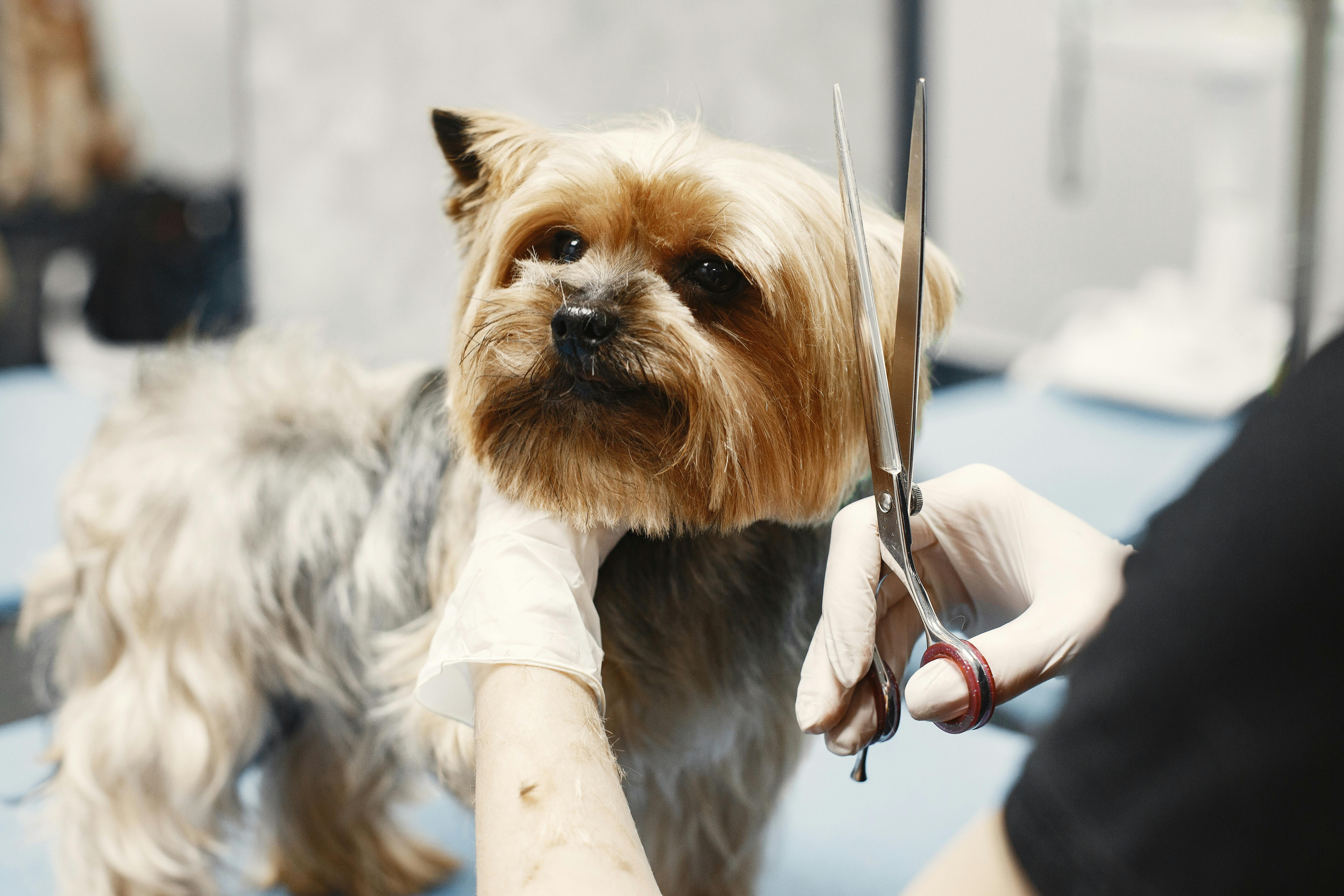
Dog grooming
Dog grooming is an essential part of caring for your pet. While many people think grooming is just about ...

Dog Grooming Guide: How to Keep Your Dog Clean, Healthy, and Happy
Dog grooming is an essential part of caring for your pet. While many people think grooming is just about keeping a dog looking tidy, it actually plays a much bigger role in maintaining your dog’s health, comfort, and overall wellbeing.
Regular grooming helps prevent skin problems, keeps your dog’s coat healthy, and allows you to spot potential health issues early. Whether you have a long-haired breed that needs frequent brushing or a short-haired dog that requires minimal grooming, understanding the basics can help keep your dog happy and healthy.
In this guide, we’ll explore why dog grooming is important, how often you should groom your dog, and the essential grooming tasks every dog owner should know.
Why Dog Grooming Is Important
Regular grooming does much more than improve your dog’s appearance.
Proper grooming helps:
- Remove dirt, loose hair, and dead skin
- Prevent painful matting in longer coats
- Improve skin health and circulation
- Reduce shedding around the home
- Detect lumps, parasites, or skin issues early
- Keep your dog comfortable and clean
Grooming is also an opportunity to strengthen the bond between you and your dog. Many dogs enjoy the attention and care that comes with regular grooming sessions.
How Often Should You Groom Your Dog?
The frequency of grooming depends largely on your dog’s breed, coat type, and lifestyle.
Short-Haired Dogs
Short-haired breeds such as Labradors, Beagles, and Boxers usually require minimal grooming.
Recommended routine:
- Brushing once per week
- Bathing every 1–2 months
- Regular nail trimming
Medium-Haired Dogs
Dogs with medium-length coats may require more frequent brushing to prevent tangles.
Recommended routine:
- Brushing 2–3 times per week
- Bathing every 4–6 weeks
- Occasional trimming
Long-Haired Dogs
Long-haired breeds such as Golden Retrievers, Shih Tzus, and Afghan Hounds need more frequent grooming.
Recommended routine:
- Brushing daily or every other day
- Bathing every 4–6 weeks
- Regular trimming or professional grooming
Without regular brushing, long coats can develop painful mats and tangles.
Essential Dog Grooming Tasks
A complete grooming routine involves several key steps that help maintain your dog’s hygiene and comfort.
Brushing Your Dog
Brushing is one of the most important grooming activities.
Regular brushing helps:
- Remove loose hair and dirt
- Prevent matting
- Distribute natural oils through the coat
- Keep fur shiny and healthy
Different coat types require different brushes, including slicker brushes, bristle brushes, or deshedding tools.
Bathing Your Dog
Dogs do not need to be bathed as often as humans. Overbathing can strip natural oils from the skin.
Most dogs benefit from a bath every 4–8 weeks, depending on their lifestyle and coat type.
Use a dog-specific shampoo to avoid irritating your dog’s skin.
Bath time is also a good opportunity to check for:
- Skin irritation
- Fleas or ticks
- Lumps or bumps
Nail Trimming
Overgrown nails can cause discomfort and affect how your dog walks.
Signs your dog’s nails may need trimming include:
- Clicking sounds on hard floors
- Difficulty walking comfortably
- Nails touching the ground when standing
Regular trimming keeps your dog comfortable and prevents joint strain.
Ear Cleaning
Some dogs are prone to ear infections, particularly breeds with floppy ears.
Cleaning your dog’s ears regularly can help prevent infections caused by dirt, wax buildup, or moisture.
Look for signs such as:
- Excessive scratching at the ears
- Redness or swelling
- Unusual odours
If you notice these signs, it may be best to consult a veterinarian.
Dental Care
Dental hygiene is an often overlooked part of grooming.
Regular brushing of your dog’s teeth helps prevent:
- Plaque buildup
- Gum disease
- Bad breath
There are also dental chews and toys that can help maintain oral health.
Professional Dog Grooming
Some dogs benefit from professional grooming, especially breeds with complex coats.
Professional groomers can provide services such as:
- Hair trimming and styling
- De-matting
- Nail trimming
- Ear cleaning
Many owners schedule professional grooming every 6–8 weeks depending on their dog’s needs.
Making Grooming a Positive Experience
Grooming should always be a calm and positive experience for your dog.
Helpful tips include:
- Start grooming when your dog is young
- Use treats and praise during grooming sessions
- Keep sessions short if your dog becomes restless
- Use gentle handling and comfortable tools
Over time, many dogs learn to enjoy grooming as part of their routine.
Understanding Your Dog’s Behaviour
Dogs often communicate how they feel during grooming through body language and behaviour.
Signs your dog may be uncomfortable include:
- Pulling away or resisting brushing
- Whining or restlessness
- Excessive scratching or licking
Learning to understand these signals helps ensure grooming remains a safe and comfortable experience.
Get Closer to Your Dog with PawPaw
Your dog communicates with you through behaviour, expressions, and body language every day.
With PawPaw, you can upload a video of your dog and discover what their behaviour might be telling you. The app creates fun talking-dog videos that help you better understand your furry companion.
Because the more you understand your dog, the stronger your bond becomes.
🐾 Download PawPaw and start the conversation with your dog today.