
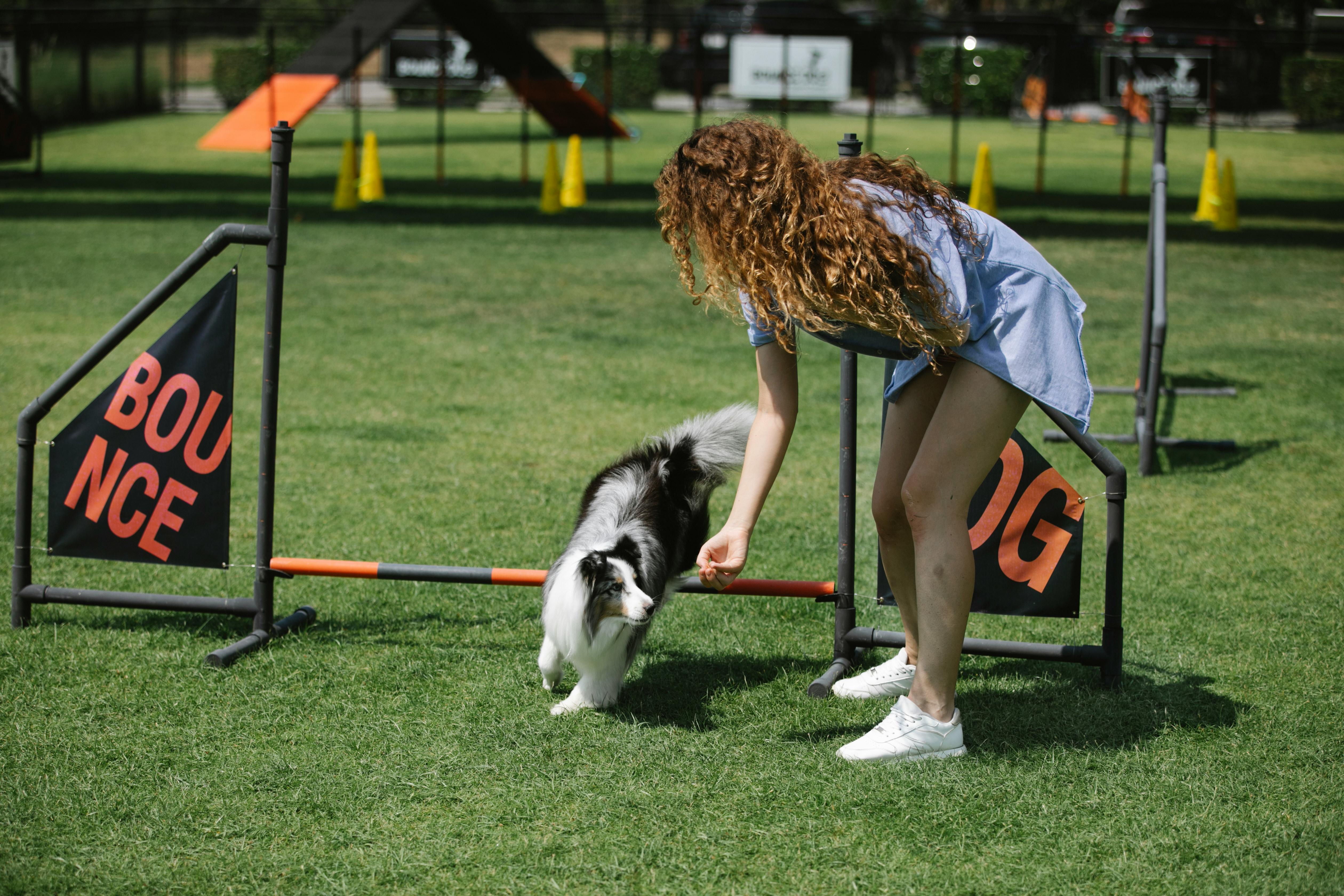
Dog training
Dog training is one of the most important parts of responsible dog ownership. A well-trained dog is safer, happier, and easier to live with

Dog Training Guide: How to Train Your Dog for a Happy and Well-Behaved Life
Dog training is one of the most important parts of responsible dog ownership. A well-trained dog is safer, happier, and easier to live with. Training also strengthens the relationship between you and your dog by building trust, communication, and understanding.
Whether you’ve just brought home a new puppy or you’re helping an older dog learn new habits, training provides the structure and guidance dogs need to thrive.
In this guide, we’ll explore why dog training is important, the basic commands every dog should learn, and effective training techniques that help dogs succeed.
Why Dog Training Is Important
Training is about much more than teaching a dog to sit or stay. It helps your dog understand how to behave in different environments and situations.
Proper dog training helps:
- Improve communication between you and your dog
- Prevent behavioural problems
- Increase your dog’s confidence
- Keep your dog safe around people, animals, and traffic
- Strengthen the bond between you and your pet
Dogs naturally look for guidance from their owners. Training provides that guidance and helps them understand what behaviour is expected.
When Should You Start Training a Dog?
Training should begin as early as possible. Puppies are capable of learning simple commands from a young age.
Many trainers recommend beginning basic training at 8 weeks old, when puppies start adjusting to their new home.
However, older dogs can also learn new behaviours. With patience and consistency, dogs of any age can benefit from training.
Basic Commands Every Dog Should Learn
Teaching a few essential commands can make everyday life much easier and safer.
Sit
“Sit” is often the first command dogs learn. It helps calm excited dogs and is useful in many situations such as greeting people or waiting for food.
Stay
The “stay” command teaches dogs patience and self-control. It can help prevent dangerous situations by keeping your dog in place when necessary.
Come
Recall training (“come”) is one of the most important skills a dog can learn. A reliable recall can prevent accidents and ensure your dog returns to you when called.
Leave It
“Leave it” teaches dogs to ignore objects or food they should not touch. This command is especially useful during walks.
Down
The “down” command encourages calm behaviour and relaxation.
Positive Reinforcement Training
Modern dog training methods focus heavily on positive reinforcement. This means rewarding your dog when they perform the correct behaviour.
Rewards may include:
- Treats
- Praise
- Toys
- Affection
Positive reinforcement helps dogs associate good behaviour with positive outcomes, making them more likely to repeat that behaviour.
This approach is widely considered one of the most effective and humane training methods.
Consistency Is Key
Dogs learn best when training is consistent.
To help your dog succeed:
- Use the same commands each time
- Reward good behaviour immediately
- Practice regularly in short sessions
- Be patient and calm
Short training sessions of 5–10 minutes several times a day are often more effective than long sessions.
Socialisation Training
Socialisation is another important part of training, particularly for puppies.
Socialisation helps dogs become comfortable with:
- New people
- Other dogs
- Different environments
- Various sounds and experiences
Proper socialisation reduces fear and anxiety while helping dogs develop confidence.
Common Dog Training Challenges
Many dog owners experience challenges during training. These are normal and can often be improved with patience and consistency.
Common issues include:
- Pulling on the lead
- Jumping up on people
- Excessive barking
- Chewing household items
- Ignoring commands
Identifying the cause of a behaviour can help determine the best training approach.
Professional Dog Training
In some cases, professional trainers can be very helpful.
Professional dog trainers can assist with:
- Behavioural issues
- Advanced obedience training
- Puppy training classes
- Socialisation
Training classes can also provide structured learning environments and opportunities for dogs to interact with others.
Understanding Your Dog’s Behaviour
Training works best when you understand how your dog communicates.
Dogs use body language, facial expressions, and behaviour to express how they feel.
Signs of a relaxed dog include:
- Loose body posture
- Wagging tail
- Soft eye contact
Signs of stress or discomfort may include:
- Yawning or lip licking
- Turning away
- Tucked tail
Learning to read your dog’s signals helps you respond appropriately during training.
Get Closer to Your Dog with PawPaw
Dogs are constantly communicating with us, but sometimes it’s difficult to know exactly what they’re trying to say.
With PawPaw, you can upload a video of your dog and discover what their behaviour might mean. The app creates fun talking-dog videos that help you better understand your furry companion.
Because when you understand your dog, training becomes easier and your bond becomes stronger.
🐾 Download PawPaw and start the conversation with your dog today.