Christmas Treats for Dogs: Safe Recipes and Store-Bought Picks
Looking for Christmas treats for dogs? Here are safe homemade recipes and store-bought picks your dog can actually enjoy this holiday, plus what to avoid.

I baked my first batch of Christmas treats for dogs almost by accident, standing in the kitchen with a bag of flour and a jar of peanut butter I'd already opened for something else. It took maybe twenty minutes, and my dog acted like I'd handed her the entire holiday. That's really the whole pitch for Christmas treats for dogs: you don't need a trip to a fancy pet bakery, and you don't need to hand over a bite of your own gingerbread either.
I get asked constantly whether it's fine to just let a dog have a bite of whatever cookie is on the counter. Sometimes yes, often no, and the difference usually comes down to one or two ingredients most people don't think twice about. If you're also trying to figure out what's safe from the main event, our guide to Christmas dinner for dogs covers the turkey, gravy, and vegetables side of things in detail.
This post is all about Christmas treats for dogs: which homemade recipes are genuinely safe, which store-bought options are worth buying, and which common baking ingredients you need to keep well away from your dog.
Are Human Christmas Treats Safe for Dogs?
Mostly not, and it's rarely obvious why. A gingerbread man looks harmless enough, but nutmeg in any real quantity is toxic to dogs, and a lot of recipes lean on it heavily. Christmas cookies with chocolate chips are an easy no. Anything with raisins, currants, or sultanas mixed through the dough, which shows up constantly in festive baking, is genuinely dangerous. Even things that seem like an obvious yes, like a plain-looking shortbread, are often loaded with butter and sugar in quantities that will upset a dog's stomach even if nothing in it is technically toxic.
The good news is you don't have to choose between "no treats at all" and "risk it." Dog-specific Christmas treats exist for exactly this reason, and making your own is easier than most people expect once you know which ingredients are actually fine. It's also a nice thing to do with kids in the house over the holidays, since dog treat dough is simple enough that little hands can help without much supervision, and the "baking" is genuinely part of the fun for a lot of families.
Homemade Christmas Dog Treats
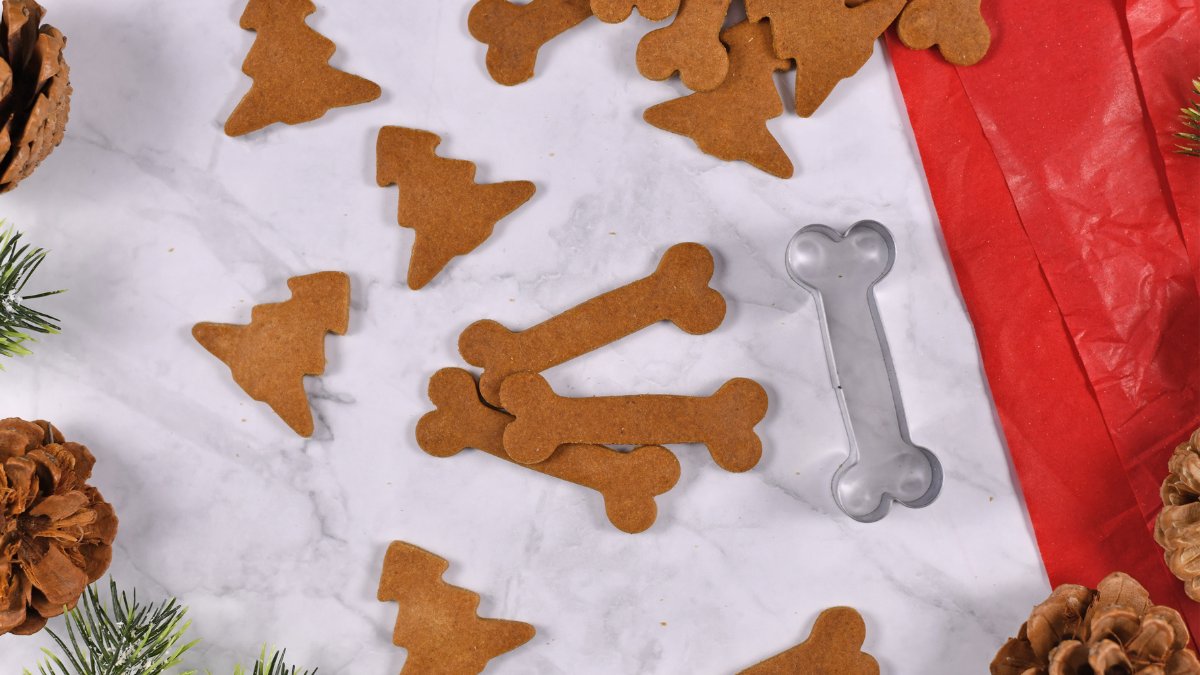
These are the recipes I come back to every year. All of them use ingredients that are genuinely safe for dogs, and none of them need anything you can't find at a regular grocery store.
Peanut butter cookies are the easiest starting point if you've never made dog treats before. Flour, a spoonful of peanut butter, a little plain Greek yogurt, and enough water to bring it together into a dough. Just double-check the peanut butter label first: some brands sweeten with xylitol, and that's genuinely toxic to dogs even in small amounts. Cut the dough into festive shapes with mini cookie cutters if you want them to actually look like Christmas treats.
Gingerbread-style treats work fine for dogs as long as you leave the nutmeg out entirely and go very light on cinnamon and ginger. A small pinch of cinnamon is fine; the classic human gingerbread spice mix is not, since nutmeg in any real quantity is a genuine risk.
Carob treats are the closest thing to a safe "chocolate" cookie you can give a dog. Carob looks and tastes similar to chocolate but contains none of the theobromine that makes real chocolate dangerous. Mixed with a bit of peanut butter, it makes a treat that feels indulgent without any of the risk.
Cranberry and oat treats are a good option if you want something a little different. Soften fresh cranberries over low heat, then work them into a simple oat dough. Cranberries themselves are safe for dogs in moderation.
Frozen pumpkin and yogurt treats are worth having in the freezer through the holidays, not just as a novelty. Plain pumpkin puree, plain Greek yogurt, and a spoon into silicone molds gives you a cool, easy treat that most dogs love. If you want a festive peppermint version, use fresh peppermint leaves only. Peppermint oil and extract are far more concentrated and can be toxic to dogs, which catches a lot of people off guard since peppermint itself feels so seasonal and harmless. These freeze well for weeks, so it's worth making a bigger batch than you think you need. A tray of these is also a genuinely useful thing to have on hand if your dog gets overstimulated by a house full of guests. A frozen treat takes them a while to work through and gives everyone a quieter ten minutes.
Watch the Portions, Not Just the Ingredients
My neighbor's Labrador spent the day after Christmas two years ago throwing up on her kitchen floor. Nothing he ate was toxic. Grandma gave him one, the kids gave him another, he did the sad-eyes thing by the oven and got three more out of it, and by mid-afternoon he'd worked his way through roughly ten times what he'd normally eat in one go.
So when I hand out these recipes, portion control is really the whole game. Four small treats spread across the day beats one big one first thing. The yogurt and pumpkin ones don't keep like a packet biscuit either, so I make a batch, freeze most of it, and only thaw what we'll get through in a couple of days. And with a brand new recipe, even one built entirely from ingredients your dog's had before, give them a small piece first. Combinations sometimes don't sit right even when nothing in the mix is individually a problem.
If baking isn't really your thing, that's completely fine. Dog christmas cookie recipes online can vary wildly in quality, and not every "dog-safe" recipe you'll find is actually accurate, so it's worth double-checking any recipe against the ingredients list above before you trust it.
Best Christmas Treats for Dogs (Store-Bought)
If homemade isn't for you, there are genuinely good store-bought options now, and the seasonal aisle at most pet stores gets noticeably better every year. Look for treats specifically labeled for dogs, obviously, and check the ingredients the same way you would with any regular dog treat: no chocolate, no xylitol, nothing with grapes or raisins mixed in.
Festive shapes like trees, gingerbread figures, and snowmen are common from most major dog treat brands over the holiday season, often in flavors like turkey, cinnamon oatmeal, or peanut butter. These are a genuinely easy option if you want something that looks the part without the effort of baking, and they're a fine gift for a dog on someone else's Christmas list too.
Price isn't always a great guide to quality here. Some of the better options I've come across are from smaller bakeries rather than the big-name brands, and a short ingredients list is usually a better sign than fancy holiday packaging. If a bag of treats lists more than six or seven ingredients, it's worth reading through properly rather than assuming "made for dogs" on the front means everything inside is automatically fine.
Ingredients to Avoid When Making Dog Treats
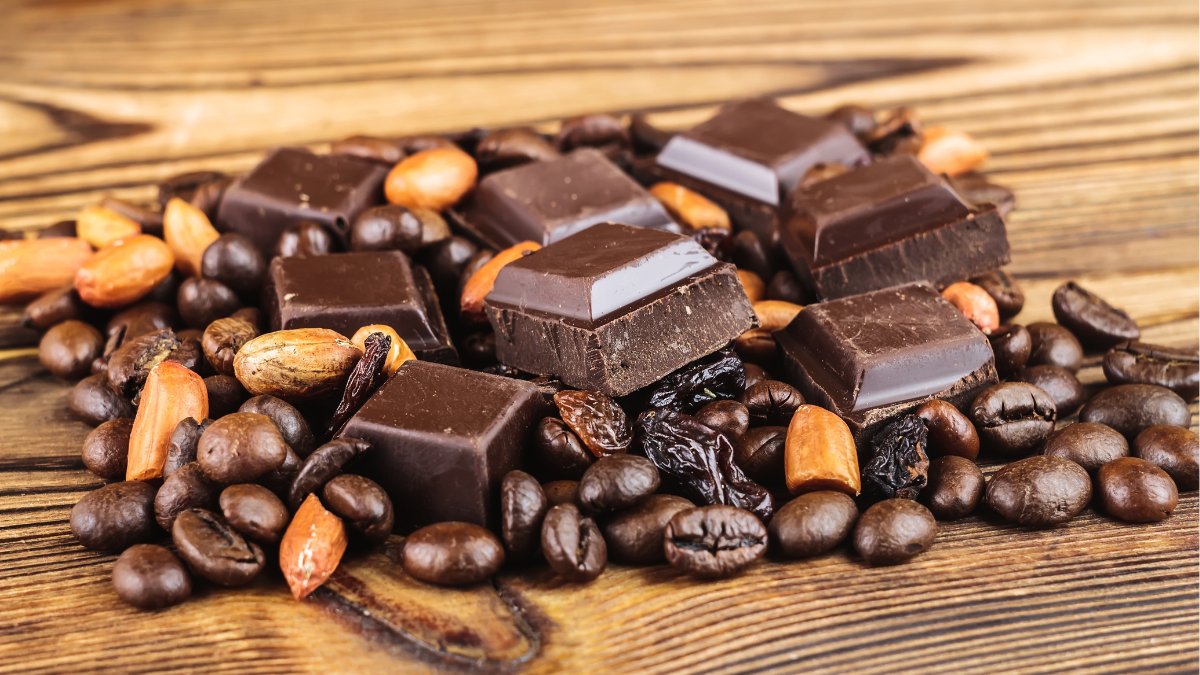
A few ingredients show up constantly in festive baking and are worth memorizing rather than checking each time.
Chocolate, in any form, is toxic to dogs. The darker the chocolate, the more concentrated the danger.
Xylitol hides in more places than people expect, including some peanut butters, sugar-free baking mixes, and certain sweeteners. It causes a rapid, dangerous drop in blood sugar and is one of the most serious risks on this list.
Grapes, raisins, currants, and sultanas can cause acute kidney failure in dogs, and there's no known safe amount.
Macadamia nuts cause weakness, tremors, and a raised body temperature in dogs, even in fairly small quantities.
Nutmeg, used generously in a lot of human gingerbread and spiced baking, is toxic to dogs in any real quantity.
Peppermint oil and extract are far more concentrated than fresh peppermint leaves and can be toxic. Fresh mint is fine; the bottled extract is not.
If you keep this list in mind, homemade dog treats become genuinely low risk. Most people just don't know these ingredients are dangerous until someone tells them.
Frequently Asked Questions
Can dogs have Christmas cookies? Only if they're made specifically for dogs, without chocolate, xylitol, nutmeg, or raisins. Regular human Christmas cookies almost always contain at least one ingredient that's unsafe for dogs.
What are the best homemade Christmas treats for dogs? Peanut butter cookies, carob treats, and frozen pumpkin and yogurt treats are the easiest and safest options for a first-time baker. All three use ingredients most kitchens already have.
Are store-bought Christmas dog treats safe? Generally, and I buy them myself most years when I haven't got time to bake. The one habit worth keeping is actually reading the ingredients on the bag rather than trusting the festive packaging, since that's where chocolate coatings or a stray raisin garnish tend to sneak in.
Can dogs eat gingerbread? Not the human version. A dog-safe gingerbread-style treat with the nutmeg left out and only a light touch of cinnamon is fine, but standard gingerbread spice mix is not safe for dogs.
Is carob safe for dogs instead of chocolate? Yes. Carob looks and tastes similar to chocolate but doesn't contain theobromine, which is what makes real chocolate dangerous for dogs.
Make Every Treat a Little Moment
Watching a dog work through their first taste of a homemade Christmas treat, head tilted, absolutely certain this is the best thing that's ever happened to them, is one of the small joys of the season.
With PawPaw, you can capture exactly that reaction and turn it into something you'll want to watch back long after the holidays are over. Because the best Christmas moments with your dog are usually the ones you didn't plan for.
Join the waitlist and be the first to try it. 🐾