Why Won't My Dog Eat? 8 Reasons and What to Do About It
Why won't my dog eat? It could be anything from a stressful day to a dental problem. Here are 8 common causes, home remedies that help, and when to call the vet.

Why won't my dog eat is one of the questions I get asked most, usually from someone standing over a full bowl their dog has walked straight past. It's unsettling precisely because dogs are usually so reliable about food. A dog that skips a meal is doing something out of character, and your job is figuring out whether that's nothing or something worth paying attention to.
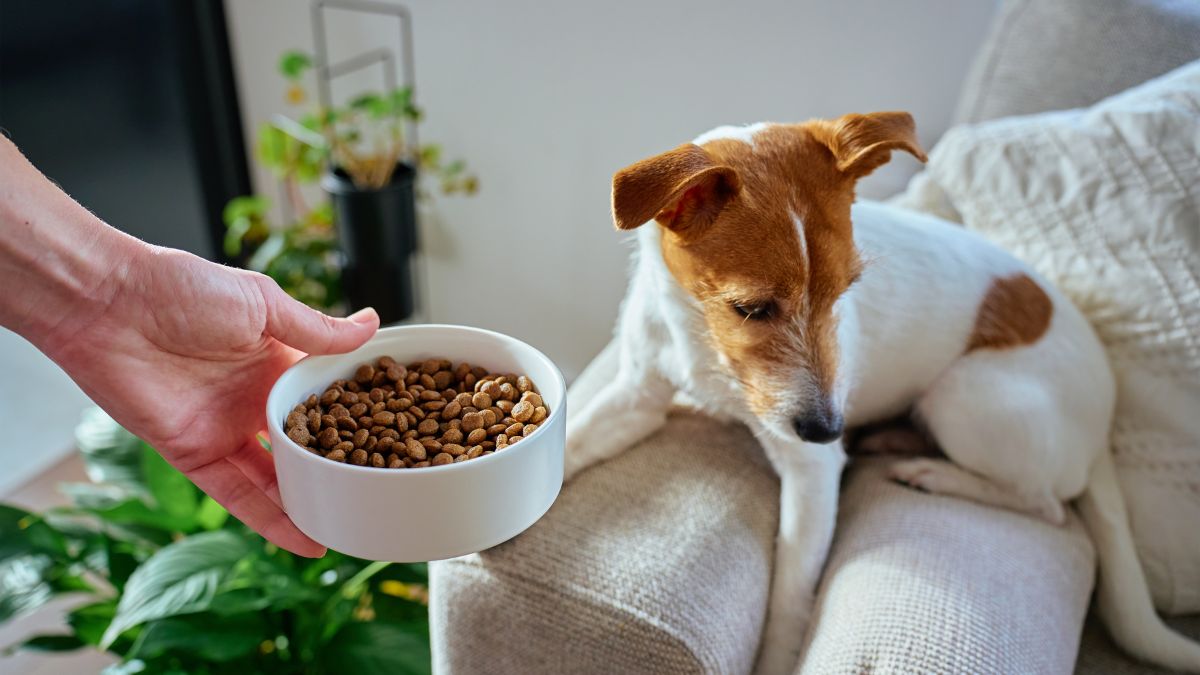
The honest answer is it depends entirely on the rest of the picture. A dog who skips one meal, then eats normally at the next, is a completely different situation from a dog who hasn't touched food in two days and seems off in other ways too.
This post is all about why won't my dog eat: 8 common reasons behind it, home remedies that can genuinely help, and when it's time to stop waiting and call the vet.
8 Reasons Your Dog Won't Eat
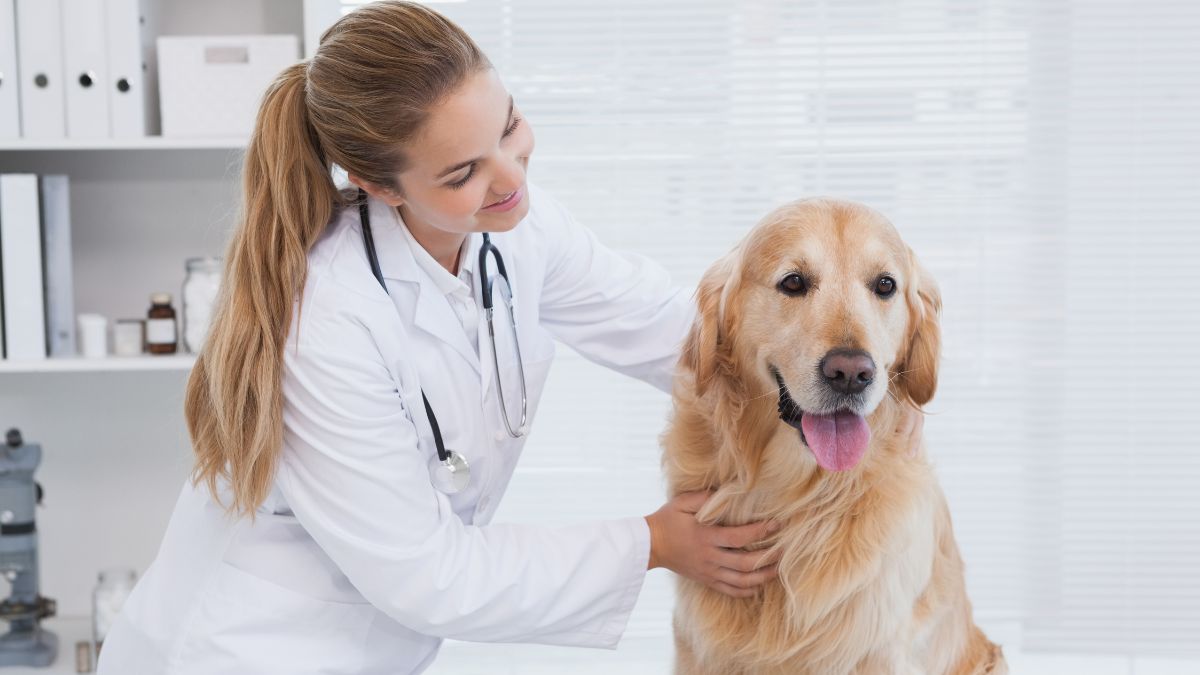
Appetite loss falls into two broad categories: things that pass on their own within a day or two, and things that need medical attention. Here's what's actually behind it, roughly in order of how often I see each one.
1. A Change in Routine
A new house. A visitor staying over. Even moving the furniture around can throw a dog off their food for a day. Food is usually the first thing that shows it when a dog's routine gets disrupted. It's usually gone within a day or two, sometimes less.
2. Stress or Anxiety
Fireworks the night before, a trip to the groomer, a loud argument in the house, even a sudden change in the weather can leave a dog too unsettled to eat normally. Stress shuts the appetite down the same way it does in people, and it's easy to miss as the cause because the dog often seems physically fine otherwise. It usually passes once the stressor does.
3. Picky Eating Habits
Usually the owner taught them this without realizing it, turning your nose up at the kibble enough times and someone caves with chicken or cheese. Dogs figure that out fast, and it's not medical, just habit. Stop caving. The first couple of meals might be a standoff, but it sorts itself out.
4. Hot Weather
Dogs eat less in hot weather, the same as most of us do, and that's completely normal rather than something to panic about. Their metabolism actually slows slightly in the heat, so they need less food to begin with, and a big meal in the middle of a hot afternoon just doesn't appeal the way it does on a cooler day. Appetite usually picks back up once the temperature drops or your dog acclimatizes, and switching to feeding during the cooler parts of the day, early morning or evening, often helps in the meantime.
5. Dental Pain
The dog that sticks with me had a cracked upper molar nobody noticed for weeks. He'd walk up to the bowl, lower his head, then back off and lie back down looking almost apologetic about it. It wasn't until his owner caught a whiff of his breath, sour, almost metallic, that she thought to check his mouth, and found the crack herself with a flashlight before the vet even confirmed it. That smell is usually the first sign something's wrong in there, long before a dog starts dropping food mid-chew or pawing at its own face.
6. Digestive Upset
Getting into the trash, a sudden food change, or even just something that didn't agree with them can leave a dog nauseous enough to skip meals for a day or so. This usually resolves within 24 to 48 hours as their stomach settles, and it's one of the more common medical causes that doesn't need much beyond time and a bland diet.
7. Pain Elsewhere in the Body
Old injuries and arthritis are sneaky because there's rarely a limp to point to. A dog just quietly decides getting up isn't worth it. My neighbor's shepherd did this for weeks before she caught on, he'd lie there and wait rather than walk the ten feet to his bowl. She only clocked it when she moved the bowl closer and he started eating fine again. Reluctant to jump on the couch lately? Slower on the stairs? That's the same thing, just showing up somewhere else first.
8. Underlying Illness
This is the category that needs the most attention. Kidney disease, liver problems, infections, and a long list of other conditions can all show up first as reduced appetite before anything else becomes obvious. This is exactly why a dog who won't eat for more than a day or two, especially alongside any other symptom, needs a vet rather than more waiting.
Dog Not Eating But Acting Normal and Drinking Water
This is one of the most common patterns owners describe to me, and it's genuinely reassuring in most cases. A dog that's still drinking water, still has normal energy, and is behaving like themselves in every other way is very often dealing with something from the first four reasons above: stress, a routine change, or a fussy streak.
Watch it for 24 hours. If they're back to eating normally by the next meal or the one after, it was probably nothing. If a full day passes with no food and no change, or if drinking starts to drop off too, that's the point to get in touch with your vet rather than continuing to wait it out.
Home Remedies for a Sick Dog Not Eating
If your dog is skipping meals but otherwise seems okay in themselves, alert, drinking, normal bathroom habits, there are a few things worth trying before assuming the worst.
Warming their regular food slightly can make a real difference. It releases more smell, and a lot of dogs eat purely because something smells appealing rather than because they're consciously hungry.
A small amount of plain, boiled chicken and rice is gentle on the stomach and tempting enough to get a reluctant eater started again. Keep it plain, no seasoning, no oil, and treat it as a short-term bridge back to their normal food rather than a new diet.
Bone broth, plain and unsalted, poured over their regular kibble can work the same way warming does, adding smell and moisture that makes food more appealing without changing what's actually in the bowl.
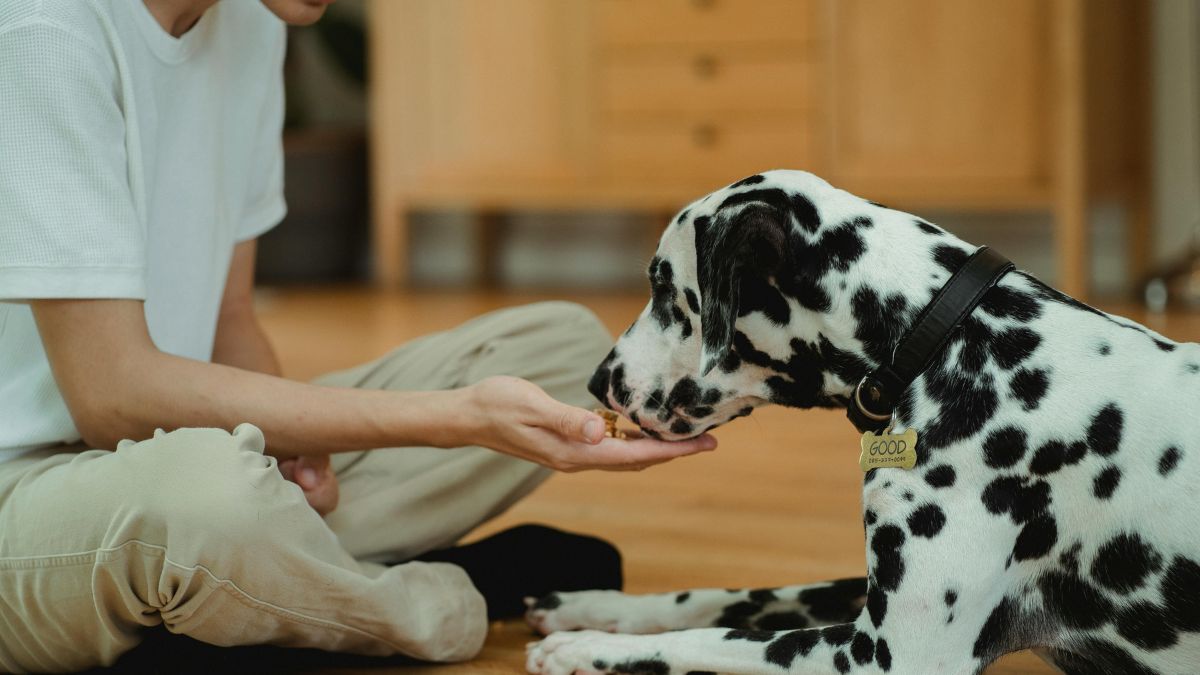
Hand feeding a few pieces can sometimes break the standoff, especially with a dog who's anxious rather than genuinely unwell. It's not a long-term fix, but it can restart the habit of eating.
What you shouldn't do is force feed a dog, or switch foods entirely in the middle of an appetite dip. Both of those tend to make things worse rather than better, and a sudden diet change can cause its own digestive upset on top of whatever's already going on.
None of these home remedies replace a vet visit if your dog has gone more than a day or two without eating, or if anything else seems off. They're for bridging a short dip, not treating an underlying problem.
When to Worry About a Dog Not Eating
Call your vet if your dog refuses food for more than 24 to 48 hours, or if appetite loss comes with any of these: vomiting, diarrhea, lethargy, a swollen or tense abdomen, or if they seem to be in pain when touched. Sudden appetite loss in puppies, senior dogs, or dogs with existing health conditions deserves quicker attention, since they have less reserve to cope with going without food.
If your dog seems genuinely unwell rather than just uninterested in the bowl, don't wait out the 24 hours to see what happens. Trust that instinct over the timeline.
Frequently Asked Questions
Why won't my dog eat but will eat treats? This usually points to pickiness rather than illness. A dog who's genuinely unwell often turns down treats too. If they're happily taking treats but ignoring regular meals, it's more likely a preference issue than a medical one.
How long can a dog go without eating before I should worry? Generally 24 to 48 hours in an otherwise healthy adult dog. Puppies, senior dogs, and dogs with existing health conditions need attention sooner, since they can't cope with skipped meals as well.
Why is my dog not eating but acting normal? Nine times out of ten it's minor, stress, a routine change, plain pickiness. Give it a day before you worry. Still not eating by the next meal or two? Call the vet.
Should I switch my dog's food if they won't eat? Not straight away, no. Switching food on top of whatever's already going on can upset their stomach even more. Try warming up what they already eat first, or adding something tasty on top instead.
Is it okay to hand feed a dog that won't eat? For a short stretch, yes. Especially if anxiety's the likely cause. Don't make it a habit, but it can get them eating again.
Understand Your Dog a Little Better
A dog who suddenly goes off their food is telling you something, you just have to do a bit of detective work to figure out what. Know your dog's normal patterns well enough, and you'll catch it faster next time something's actually wrong.
With PawPaw, you can upload a video of your dog and get a better sense of what their behavior is telling you, day to day. Because the more you understand your dog, the easier moments like this become to read.
Join the waitlist and be the first to try it. 🐾