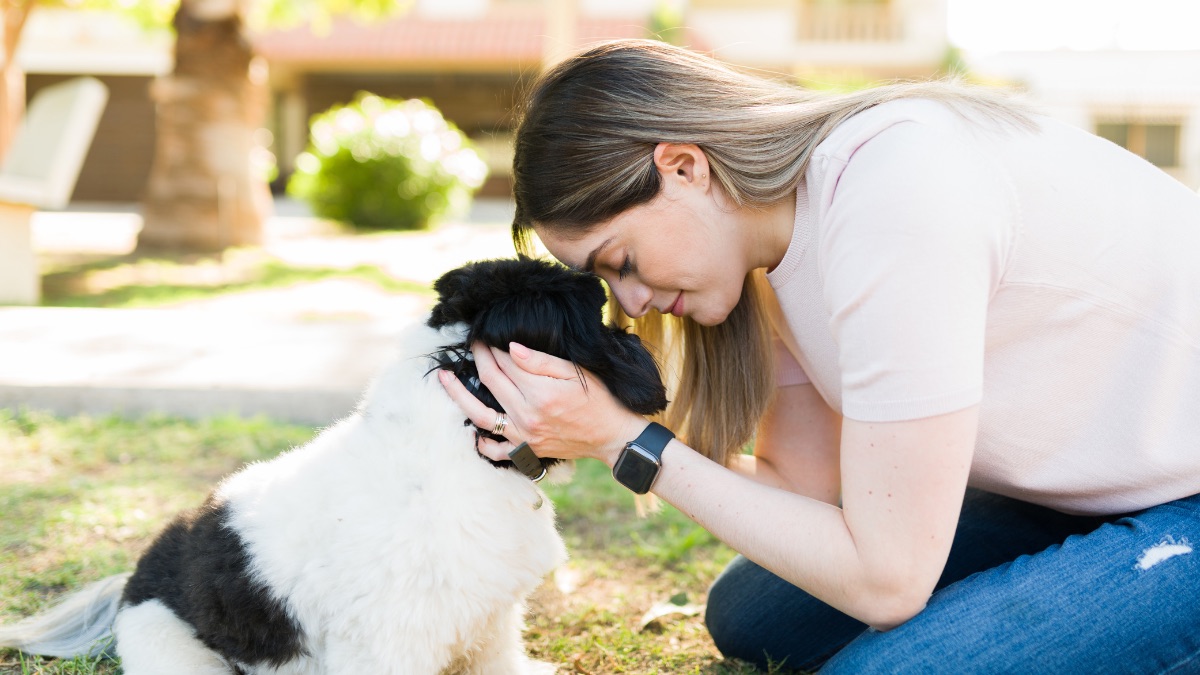
What Does a Dog Behaviorist Actually Do?
What does a dog behaviorist do? Here's what a session actually involves, how it differs from training, when you need one, and what it typically costs.

Take a dog that's been through three training classes in a year and still growls at the mail carrier every single day. The owner isn't doing anything wrong. She's just hired the wrong kind of professional for the job. What does a dog behaviorist do that a trainer doesn't? Not teach sit or stay. Figure out why the growling's happening in the first place.
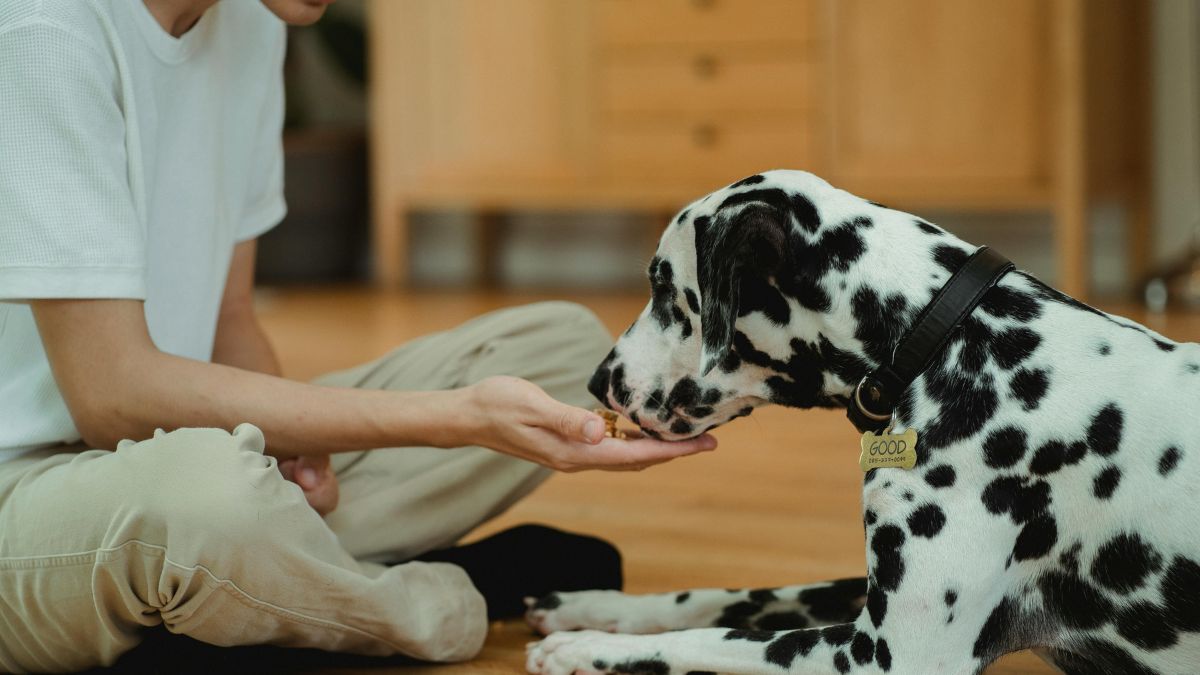
That distinction matters more than most people realize when they're googling for help at eleven at night after another bad day. Training fixes behaviors you can see. Behaviorism digs into the feeling driving the behavior, which is a completely different job, and it's why the two professions often get confused.
This post is all about what a dog behaviorist does: how it's different from training, when you actually need one, what a session looks like, and what it tends to cost.
What Does a Dog Behaviorist Actually Do?
A terrier mix kept losing it at every skateboard that rolled past, and his owner just wanted the barking to stop. What a behaviorist noticed instead was the half-second before each outburst: the dog wasn't squaring up to fight, he was bracing to bolt. That's fear, not aggression, and treating it like simple misbehavior would have backfired badly.
Most of the work happens through observation first. A good behaviorist will watch your dog in the situations that trigger the behavior, sometimes in person, sometimes through video you've sent in, and ask a lot of questions about history: where the dog came from, what's already been tried, what the home environment looks like, whether anything changed recently. Only after that does the actual plan get built, usually a mix of desensitization, counter-conditioning, and changes to the dog's daily routine and environment.
They also work almost entirely through you rather than the dog directly. A behaviorist can observe your dog for an hour and learn a lot, but the behavior change happens over weeks of you implementing the plan at home. That's the part people aren't always ready for. It's less "drop your dog off and pick up a fixed dog" and more "here's your homework for the next six weeks."
Dog Behaviorist vs Dog Trainer: What's the Difference
Take an owner convinced her trainer was useless because her dog still panicked through every thunderstorm. He wasn't useless, just the wrong professional for a dog in full-blown panic, and it's a mix-up that happens constantly. A trainer teaches skills. A behaviorist works out why the fear's there in the first place and takes it apart slowly.
A trainer helps a dog learn the basics, sit, stay, loose-leash walking, coming when called, through straightforward repetition and reward. Puppy classes work this way. So does most obedience training and sport work like agility, since in all of it the dog simply doesn't know the cue yet.
A behaviorist gets called in once it stops being about a command the dog hasn't learned yet. Picture a dog that panics and chews through a door frame the second you leave for work. No amount of "stay" fixes that, because the dog isn't confused about the cue, it's in genuine distress. Aggression works the same way. So does resource guarding, and a dog that won't stop licking one spot on its leg raw. All of that lands on a behaviorist's desk, not a trainer's.
In practice, the two often work together. A behaviorist might design the treatment plan, and a trainer helps implement the hands-on pieces day to day. If you're not sure which one your dog needs, a simple gut check helps: is this about your dog not knowing what to do, or about your dog feeling something so strongly that it can't do what it already knows? The second one is a behaviorist's job.
When Should a Dog See a Behaviorist?

Growling or snapping around food, toys, or a resting spot is the clearest signal, whether it's aimed at a stranger, another dog, or you. Don't wait this one out. Resource guarding gets worse left alone, not better.
Severe anxiety is the other common one. Take a dog that shreds the blinds within ten minutes of his owner leaving the house, every single time, not because he's badly behaved but because he genuinely can't cope with being alone. That's not a dog being stubborn. A crate-training tutorial isn't going to touch it.
Reactivity on walks tends to show up the same way: a dog that's gone past the occasional bark at a passing dog and now loses it at every car, skateboard, or stranger on the route, every single outing, like clockwork.
"He just walks circles around the coffee table, over and over, like he's stuck in a loop." That's how one owner put it, after months of writing it off as nothing. By the time she mentioned it, he'd already started losing weight. Tail chasing and a paw licked down to the skin are the same warning, just dressed differently.
The general rule: if the behavior is rooted in fear, panic, or an intense emotional reaction rather than simple confusion about what's being asked, that's the point to call a behaviorist instead of booking another round of basic training.
What Happens at a Dog Behaviorist Appointment
Most of a first session is just listening and watching the dog in the room while everyone talks. Owners walk the behaviorist through what's already happened, what an ordinary Tuesday looks like for the dog. "He's just reactive" doesn't say much on its own, what actually matters is the fifteen seconds before it happens: who was standing where, what sound set it off, how the dog's body changed right before he went.
A shaky ten-second phone clip from the kitchen doorway often tells a behaviorist more than a phone call ever could. What matters isn't the lunge, it's the half-second leading into it, since a stiff lowered body and a loose, wiggly approach mean two completely different things.
What you actually get is homework. Specific exercises a few times a day. Some changes to how the dog's managed around whatever sets him off. A timeline, and it won't be two weeks. Be wary of anyone promising a fix that fast.
Four or five sessions turns some dogs around completely. The coffee-table pacer wasn't one of them, it took most of a year, because the pacing was never really a habit, it was months of anxiety with nowhere else to go.
How Much Does a Dog Behaviorist Cost?
A first visit with a certified behavior consultant runs somewhere between $75 and $350, depending on where you are and who you see. Veterinary behaviorists, the ones who can also prescribe medication, usually charge more for that first session, sometimes several hundred dollars on its own.
Follow-ups cost less, typically $100 to $200 a session. String enough of those together for a real behavior modification program and the total climbs past a thousand dollars pretty fast.
Those numbers make people hesitate, understandably. But consider the owner whose dog bit a delivery driver last year. He ended up facing a lawsuit threat and nearly surrendered the dog to a shelter, all because the growling six months earlier got brushed off as "just his personality." A few hundred dollars for a consult starts looking pretty cheap next to that.
Frequently Asked Questions
Is a dog behaviorist the same as a dog trainer? No, and mixing the two up is probably the most common mistake owners make. A trainer teaches your dog new skills. A behaviorist digs into why your dog is scared, anxious, or aggressive in the first place, and that's usually a longer road than one class can cover.
Does a dog behaviorist work with the dog or with me? Mostly with you. A behaviorist observes your dog and designs the plan, but you're the one implementing it day to day at home, which is often more work than people expect going in.
What problems does a dog behaviorist actually treat? Aggression and resource guarding are the big ones, along with severe separation anxiety and compulsive behaviors like licking or spinning. Reactivity toward other dogs, cars, or strangers on a walk comes up constantly too.
Can a regular vet refer me to a dog behaviorist? Yes, and it's a smart first move. A veterinary behaviorist can rule out medical causes first, a thyroid issue can look a lot like anxiety, and prescribe medication if the plan ends up needing it.
How long does it take to see results from a dog behaviorist? Depends entirely on what you're starting with. Mild stranger-anxiety might ease up in a few weeks once you're consistent. The dog who bit the delivery driver took almost eight months before his owner could have people over without locking him in the bedroom first.
Understand Your Dog a Little Better
A dog behaviorist's whole job is reading what's underneath the behavior you can see, and most of us could stand to get a little better at that ourselves, long before anything reaches the point of needing professional help.
With PawPaw, you can upload a video of your dog and get a better sense of what their behavior is actually telling you, day to day. Because the more you understand your dog, the easier it is to catch the small stuff before it becomes the big stuff.
Join the waitlist and be the first to try it. 🐾
This article is part of our dog behavior guide.