How to Read a Dog's Body Language: 5 Simple Signs Every Owner Should Know
Learn how to gently read your dog's body language and build a stronger bond. Discover five simple signals that reveal what your dog is feeling - no guesswork, just real connection.

Curious about what your dog is really trying to tell you? This guide explains five key behaviors in a calm, reassuring way - so you and your dog can feel better understood every day.
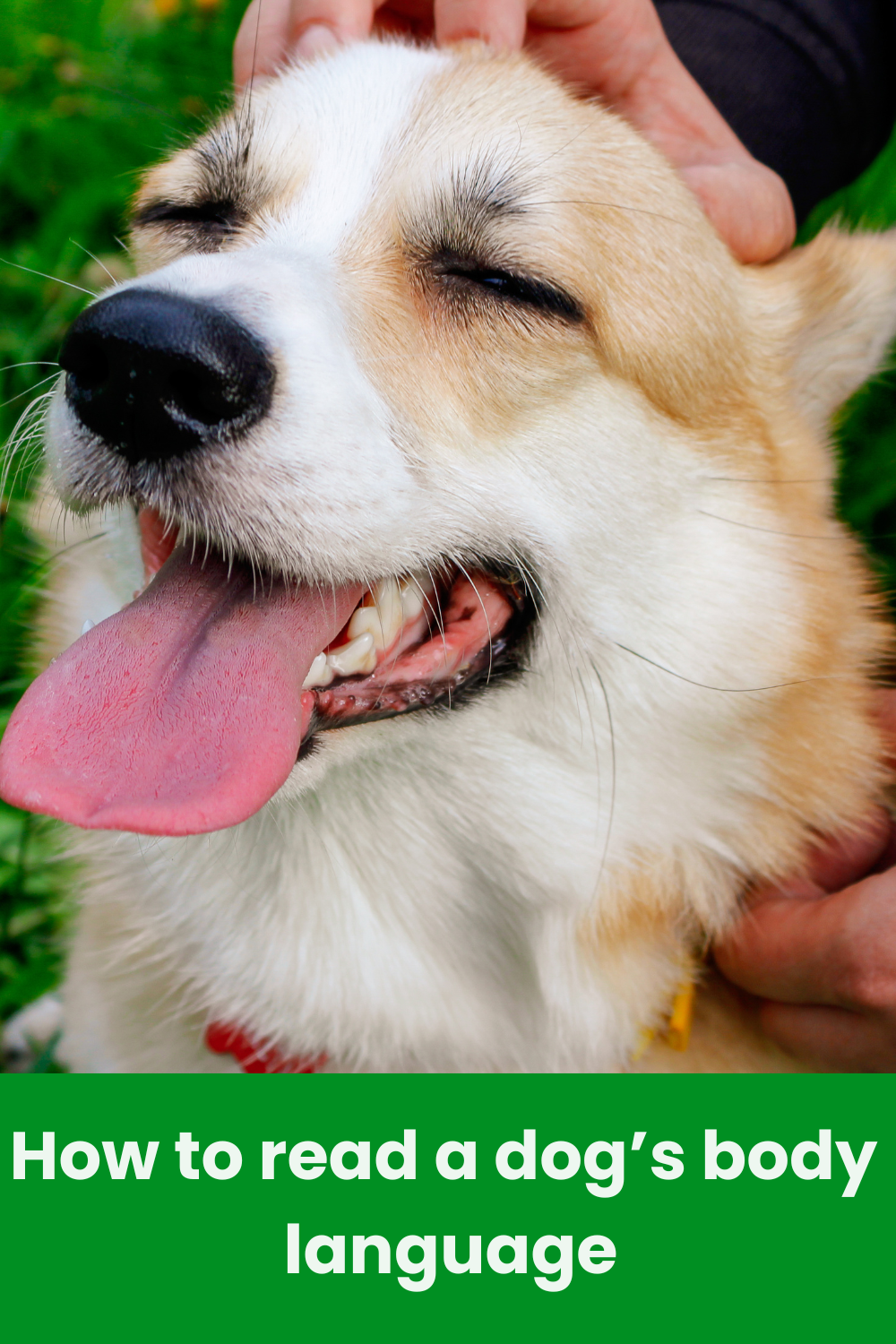
Being a dog owner truly is one of life's gifts. While it's deeply rewarding, the journey to creating a strong bond with your dog is sometimes less straightforward than it first appears. Without a shared language, it's up to us to find a way to see and hear them so we can understand their feelings and meet their needs. In the absence of telepathy, body language becomes our tool. How many times has your dog stared at you, willing you to know what they're asking for, only for you to be left guessing? Or flicked their tail slowly from side to side, leaving you unsure if they're spooked or happy?
Learning to tune into and read their signals allows an ongoing 'conversation' between you both, forming the basis of trust and, over time, a deeper bond.
As both a dog owner and a behaviorist, I want to share what I've learned from living with dogs and watching them closely. These signals aren't random - they're clues to how your dog feels and thinks. When I first started paying really close attention to my own dog, I was amazed by how much she "said" without ever barking or whining.
The five most common signs that we will explore are: splooting, tail positions, ear positions, eyes, and the play bow.
Paying attention to these behaviors will help you understand what your dog might be feeling. Every dog is different, not only because of their unique personality but also because of their breed background. Certain breeds may naturally carry their tails or ears differently, or show emotions in ways that reflect their history and original purpose. This is normal and expected, so as you observe these signals, remember to consider both your dog's breed traits and individual quirks. These signs can give you a good place to start.
This post is all about how to read a dog's body language so that you can strengthen your bond.
Must Know Body Language
1) Splooting
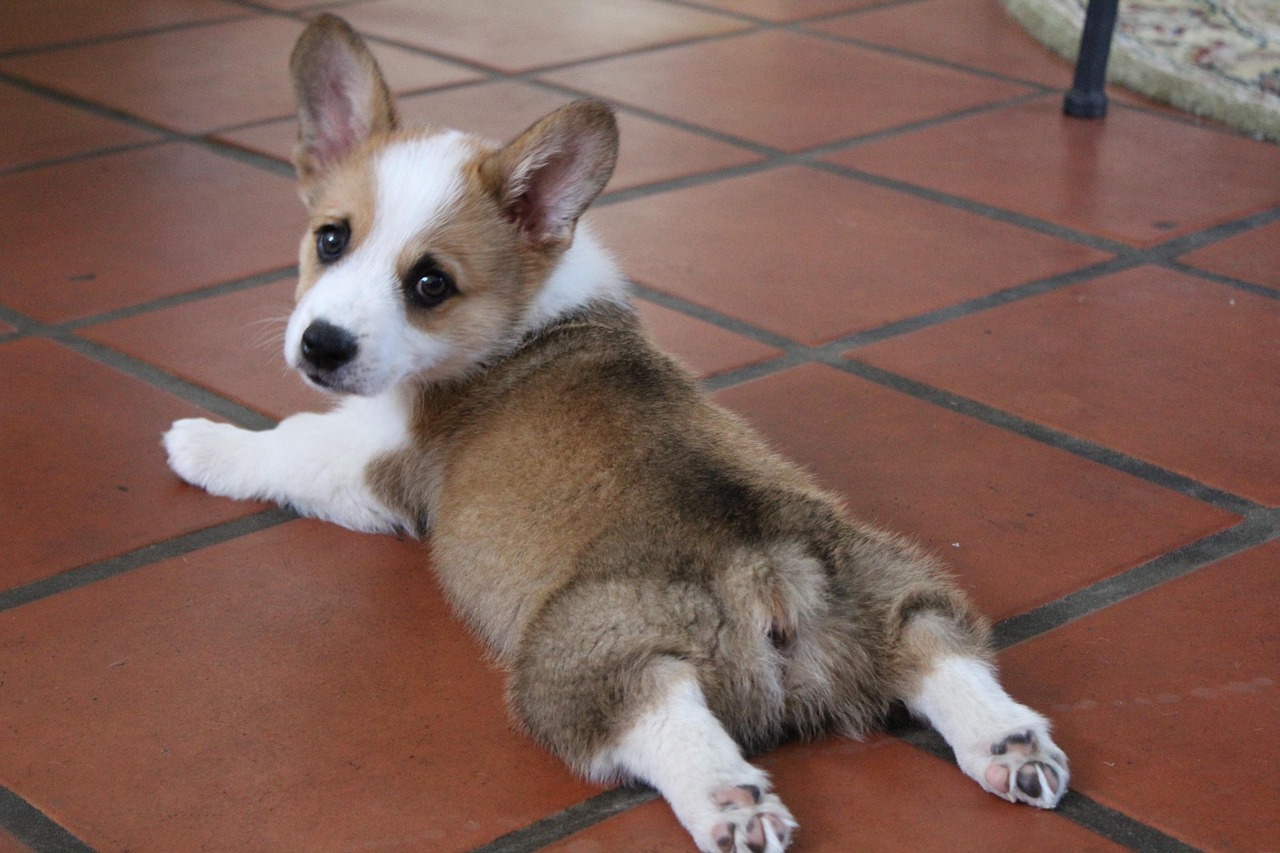
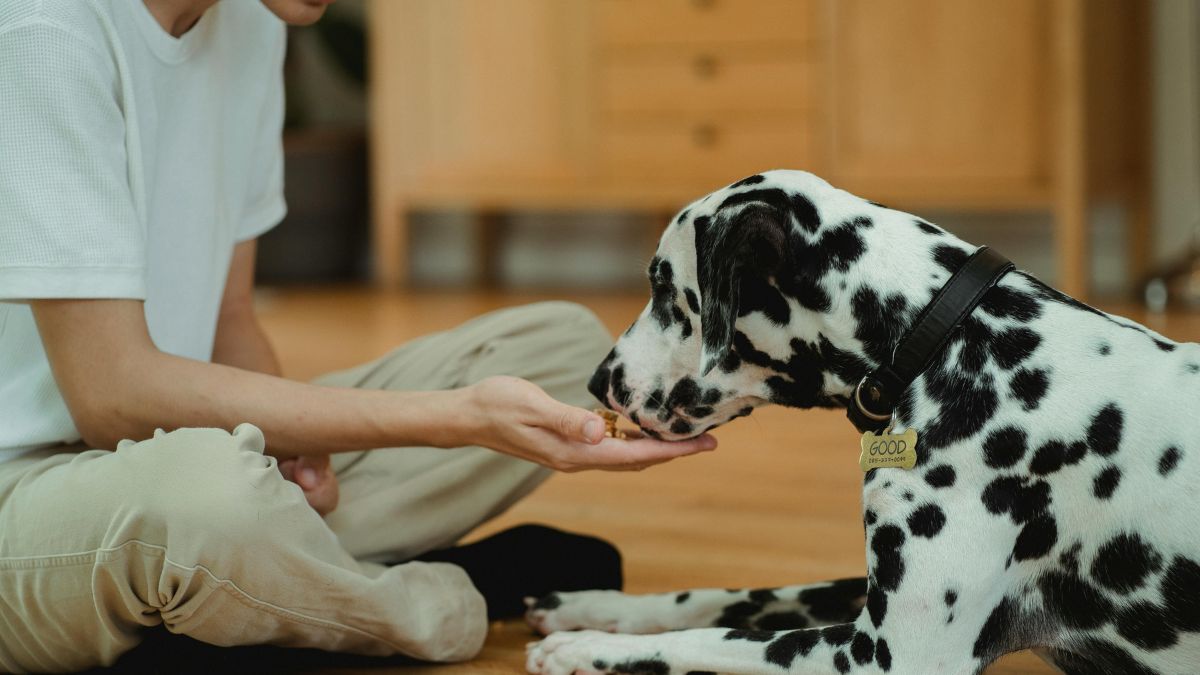
"Splooting" is when a dog lies on its stomach with its back legs stretched out behind. This posture is common in both puppies and adults and is easily recognized by its flat, stretched-out appearance.
In most cases, splooting is a strong sign of comfort and relaxation. A dog that feels unsafe or anxious will rarely stretch themselves out fully like this, because it leaves them in a vulnerable position. When a dog sploots, it usually means they feel secure in their environment and confident that there is no immediate threat.
Whilst this posture primarily indicates relaxation, in warmer weather, dogs may also sploot to cool down. If you find your pooch on a tiled or hardwood floor on a particularly sunny day, you can assume they are trying to control their body temperature.
It is worth noting that splooting accompanied by lethargy or stiffness can sometimes indicate joint or hip issues. If you notice your dog splooting along with any signs of discomfort, it is a good idea to consult your vet.
In general, though, a loose, relaxed sploot with soft eyes and a calm environment are among the clearest indicators that a dog feels safe and at ease.
2) Dog's Tail Positions
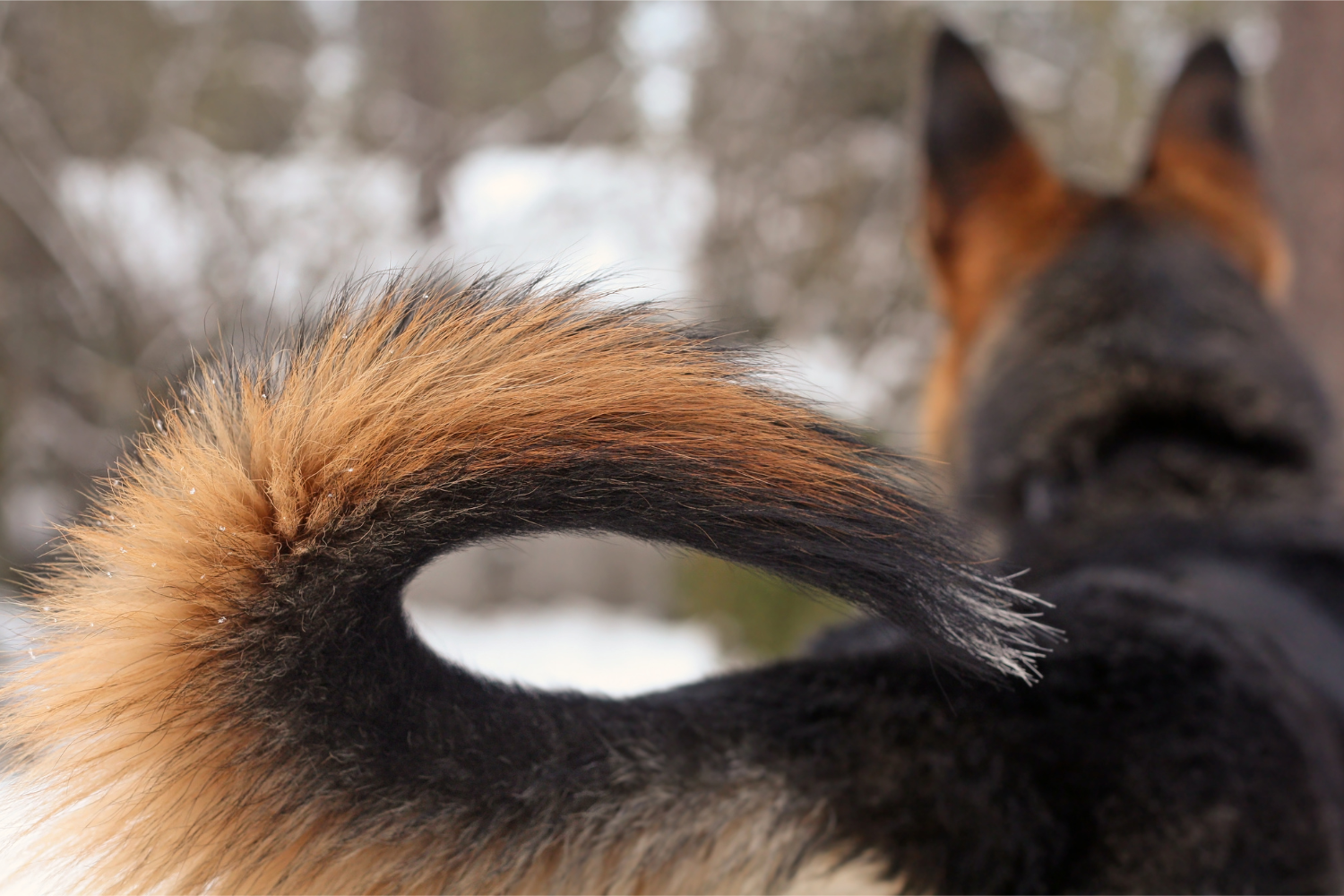
A dog's tail can show a lot of feelings, and it's not always as simple as "wagging means happy." The way a tail moves - how high, how fast, how stiff, and which way - can tell you a lot about what's going on inside your dog.
A neutral tail position, where the tail is held in a natural, relaxed curve, usually indicates calmness. This is a dog that is comfortable in their environment and not feeling particularly threatened or excited.
A high tail position can indicate attentiveness or confidence. In some dogs, especially those with naturally upright tails, this can also reflect authority or arousal. If the tail is high but stiff, it may suggest tension or readiness to react.
A low or tucked tail is a much clearer signal of insecurity or fear. This posture is often seen when a dog is uncertain about a situation or trying to avoid confrontation. In more extreme cases, the tail may be tightly tucked between the legs, signifying strong stress or submission.
Movement also matters. A slow, loose wag that involves the whole body frequently signals friendliness and relaxation. In contrast, a fast, stiff wag - especially when paired with a rigid body - can indicate agitation or overstimulation. Dogs in this state are not necessarily "happy"; they are often highly aroused and potentially reactive.
Direction is another subtle but important detail. Some studies suggest that dogs may show a slight tendency to consistently move their tails in a particular direction, though this is still being explored scientifically. It's important not to rely on a single tail signal or movement to understand your dog's state of mind. Always consider the whole picture: observing tail position and movement together with the rest of your dog's body language will give you the most reliable read.
3) Dog's Ear Positions
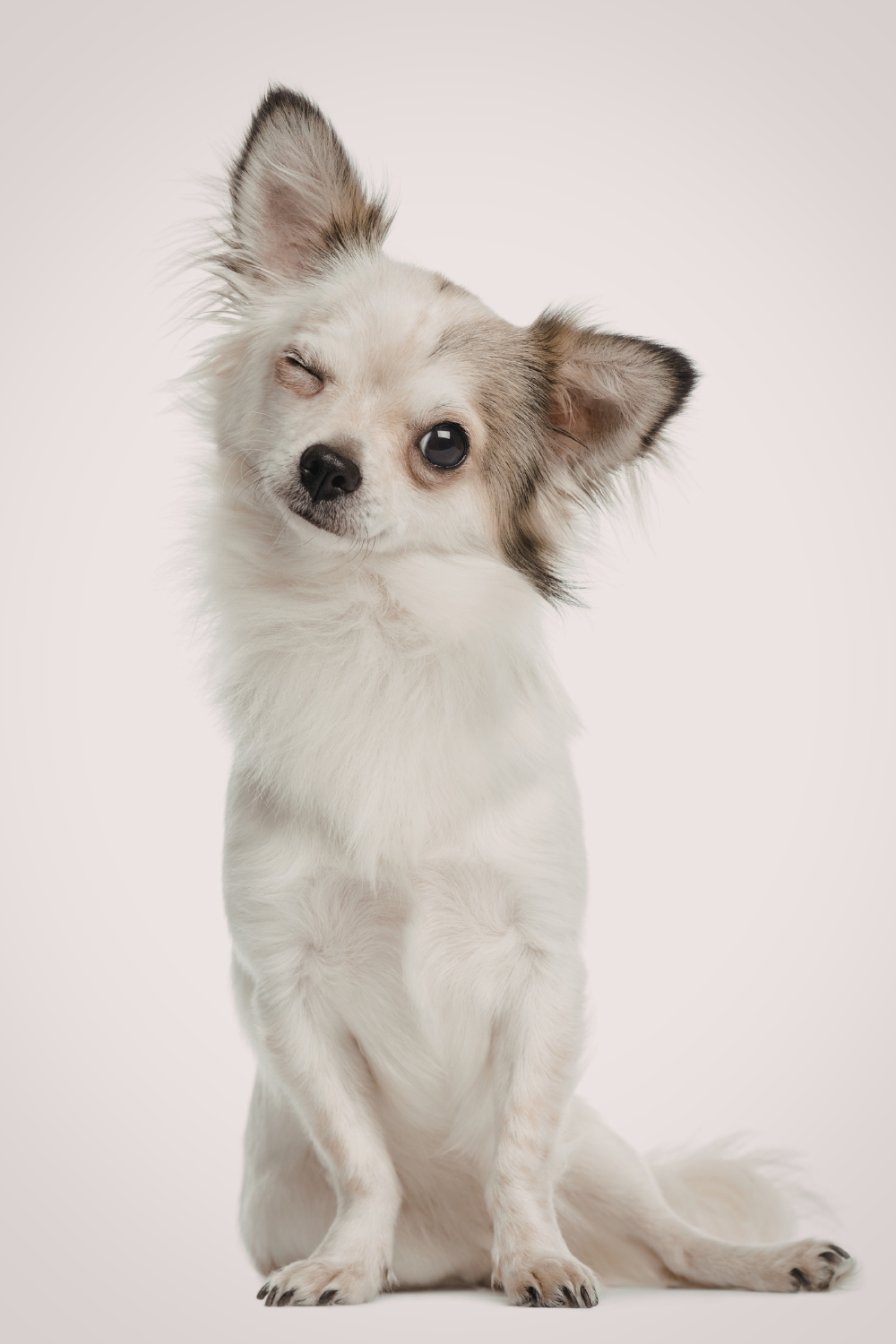
A dog's ears signal attention and emotion. Since ear shapes vary, focus on the direction and movement to interpret your dog's feelings.
Ears held forward generally indicate interest, curiosity, or focus. This is a dog that is engaged with something in their environment - whether that is a sound, a person, or another animal. Forward ears combined with a relaxed body usually suggest positive curiosity.
Ears pulled slightly back can indicate uncertainty or mild anxiety. This is often seen in situations where a dog is unsure how to interpret what is happening around them. If the rest of the body is tense, it can signal discomfort or stress.
Flattened ears, especially when pressed tightly against the head, are a stronger signal of fear, submission, or discomfort. This posture is often seen during vet visits, loud noises, or situations that the dog perceives as threatening.
It's important to distinguish between relaxed "soft back" ears and tightly pinned ears. A relaxed backward position can simply mean calmness or affection, especially when combined with soft eyes and a loose body posture.
Ear movements are also very dynamic. Dogs constantly move their ears to gather information, so quick shifts in direction often indicate they are processing sounds or reacting to surroundings.
4) Eyes
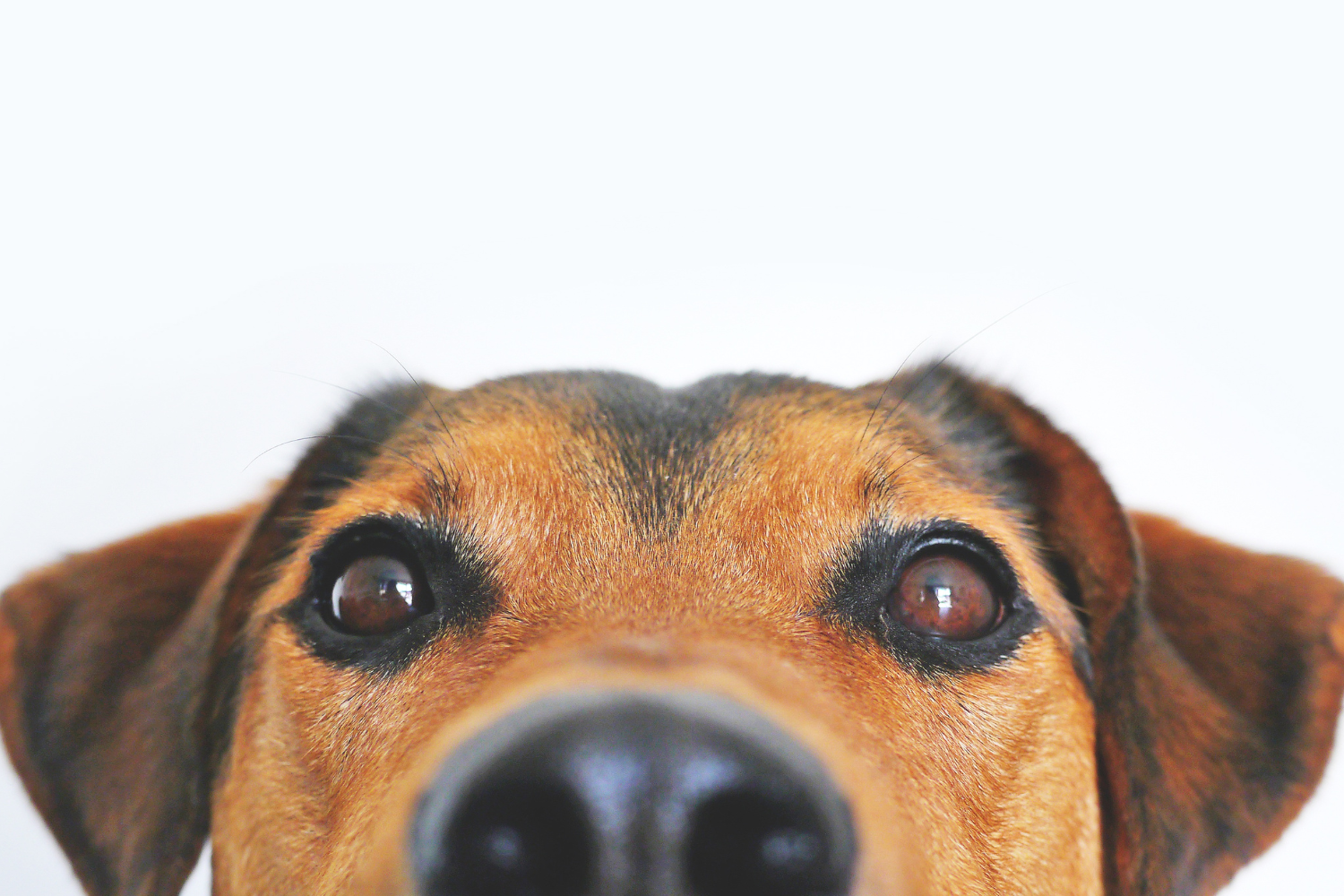
A dog's eyes show emotions through their shape, focus, and tension. Unlike humans, dogs signal their feelings more through eye movement than through facial expressions.
Soft eyes, where the eyelids are relaxed and the gaze is gentle, usually indicate calmness and comfort. This is often seen when a dog is resting, bonding with their owner, or feeling safe in their environment.
Hard staring, especially with a fixed gaze, can be a sign of tension or a challenge. This is particularly important in dog-to-dog interactions, where direct staring may be interpreted as confrontational.
Whale eye, in which the whites of the eyes become visible as the dog turns its head while keeping its sight fixed on something, is a strong indicator of stress or discomfort. This is often seen when a dog feels cornered or uneasy.
Blinking rate is another subtle cue. Rapid blinking or frequent looking away can indicate nervousness or appeasement, while slow blinking in a relaxed context can reflect trust and calm engagement.
Dilated pupils can occur in both eagerness and fear, so again, context is key. A dog with wide eyes, a stiff body, and raised hackles is likely stressed, while a dog with wide eyes and a wagging tail may simply be excited.
5) The Play Bow
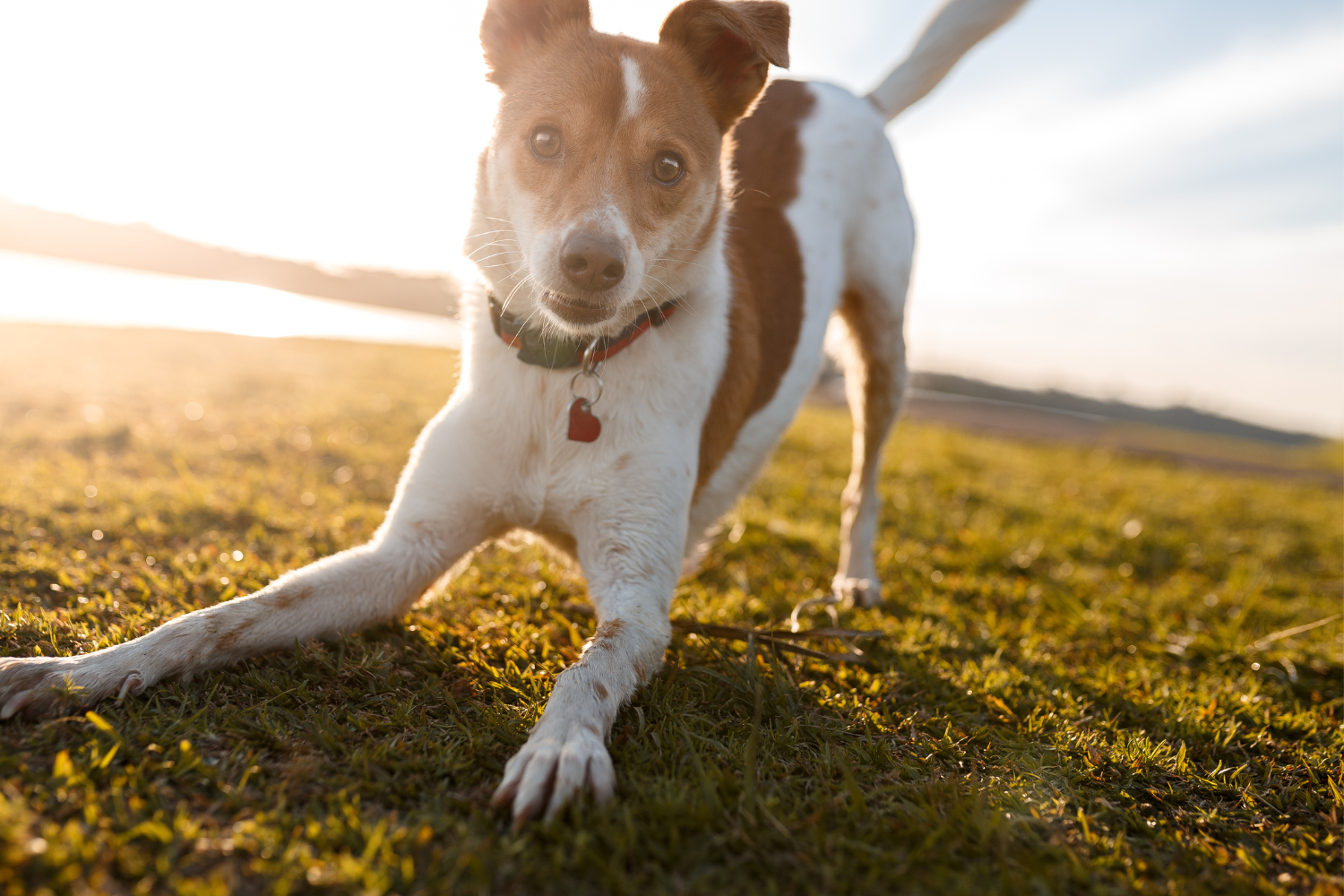
The "play bow" is the term used to describe when a dog stretches their front paws forward and lowers its chest. This posture signals playfulness and excitement.
It's one of the clearest indicators of friendly intent. It is essentially a dog's way of saying, "I want to play," and is often used to initiate interaction with other dogs or humans.
In some cases, this posture can also act as a form of stretching after rest. Dogs naturally extend their front legs and push into the ground to loosen muscles and prepare for movement.
If your dog is bowing, wagging its tail, and looking at you with soft eyes, you can be sure this is a positive signal. It reflects engagement, confidence, and a desire to play.
To Sum Up
Understanding your dog's body language isn't memorizing signals. Rather, it's noticing patterns and responding to them to create an ongoing 'dialogue'. It's fair to say that it's harder than communicating with a human, but I believe this is the reason the bond between a dog and its owner can become unbreakable. When you're forced to slow down, observe, and listen repeatedly, it is no longer surface-level communication.
Over time, this kind of intentional observation can foster a deeper trust and understanding, making way for a beautiful relationship.
Want to Understand Your Dog Even Better?
Your dog communicates through behavior, body language, and habits - and now you have the tools to start reading them properly.
With PawPaw, you can upload a video of your dog and discover what their behavior might be telling you. The app turns everyday dog moments into fun talking-dog videos while helping you understand your dog better.
Because when you understand your dog, your bond becomes even stronger. 🐾
This article is part of our dog behavior guide.