Do Dogs Need Coats? A Cold-Weather Guide
Do dogs need coats? For some, yes — for others, never. Here's how to tell if your dog feels the cold, what temperature actually matters, and how to pick the right fit.

Every winter I get the same question from friends with new dogs: does my dog actually need a coat, or am I just being soft? It's a fair thing to ask. Walk through any park on a cold morning and you'll see everything from bare Labradors happily crashing through puddles to shivering little Chihuahuas in quilted jackets — and both owners are probably doing right by their dog.
The short answer is: it depends on the dog. Some genuinely need one. Others don't. And a handful are actually better off without — putting a coat on the wrong dog can cause its own problems. What I want to do here is help you figure out which of those your dog is.
This guide covers everything — which dogs need winter coats, what temperature is actually the tipping point, and how to get the fit right.
Do Dogs Really Need Coats?
It depends entirely on the dog. A coat isn't a fashion call — it's about whether your dog can hold its own body heat in cold, wet weather, and some simply can't.
Think about a husky next to a whippet on the same January walk. The husky's in its element — this is exactly what it was bred for. The whippet, with its single layer of fine fur and basically no body fat, is having a very different time. Same temperature, completely different experience. That gap is what you're trying to understand about your own dog.
What Temperature Do Dogs Need Coats?
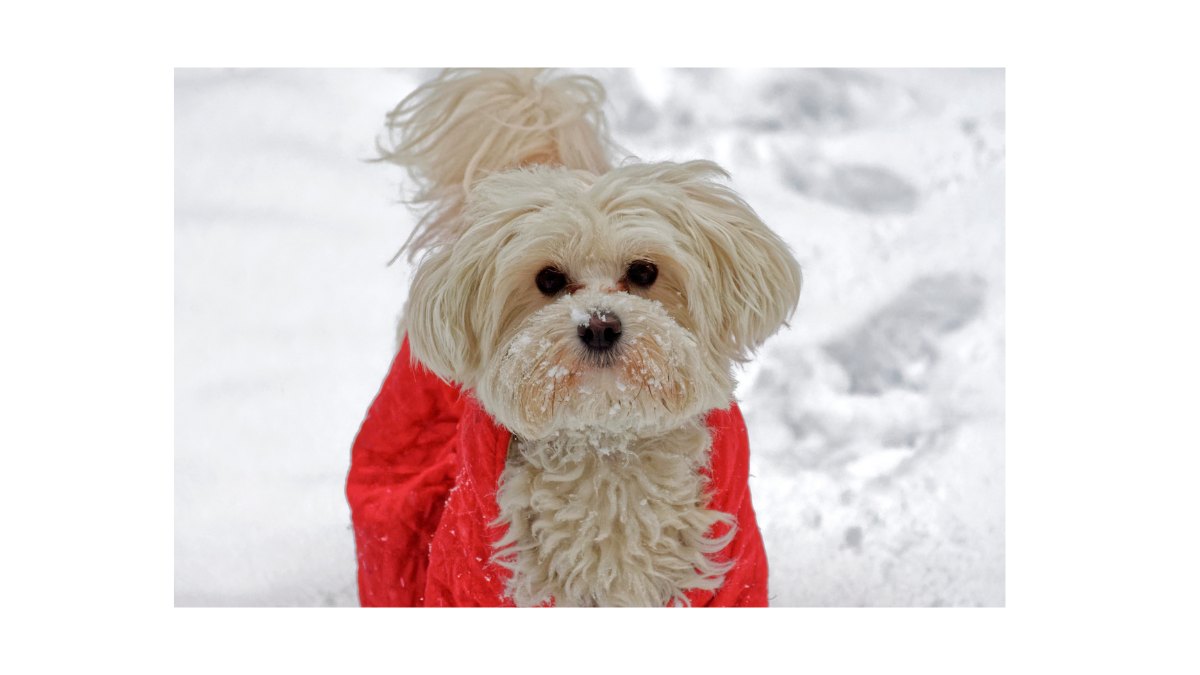
People want a definitive number and I get it, but it genuinely doesn't work that way. What I can tell you is that somewhere around 40–45°F is where I start paying attention for dogs that feel the cold — the small ones, older dogs, anything short-coated. Once you're hitting the low 30s or below, you're in territory where I wouldn't leave a vulnerable dog outside for long regardless of how tough they seem.
Honestly though, temperature alone tells you maybe half the story. I've watched a dog fall apart at 45°F because it was raining and blowing, and the same dog trot through 35°F no problem on a clear morning. Once fur gets wet it just stops doing its job — the warmth drains out of them fast. I've stopped trusting the weather app number on its own. What's it actually like out there is the question.
Which Dogs Need a Winter Coat?
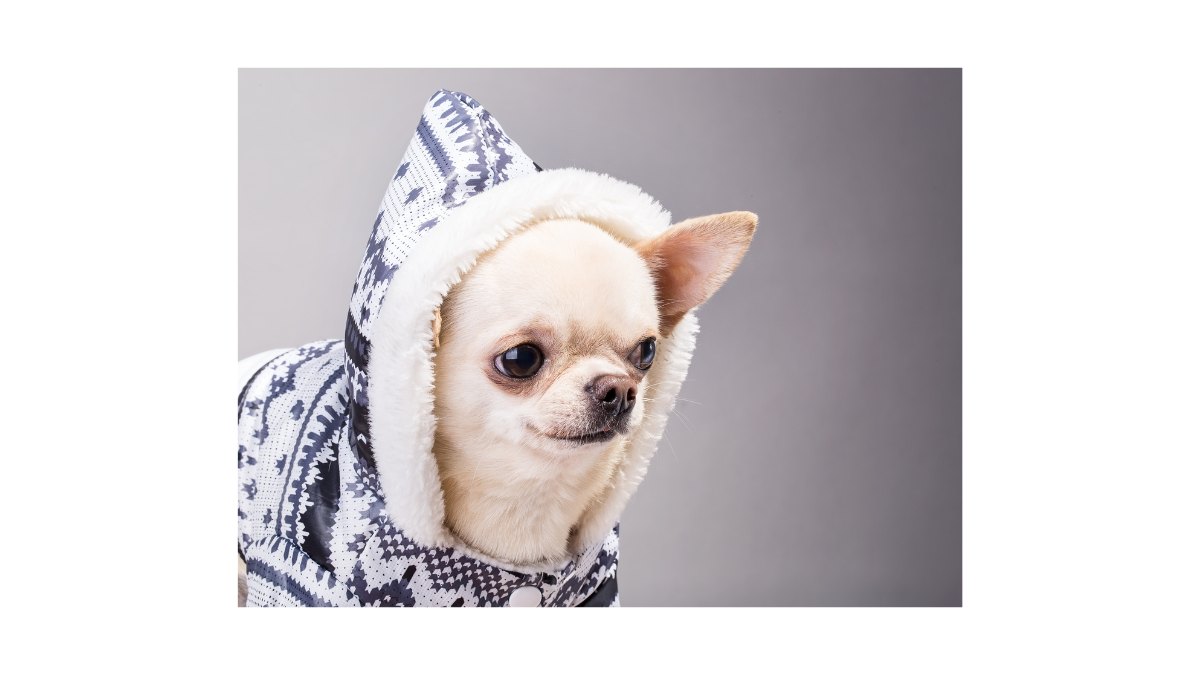
The dogs that feel the cold most are pretty easy to spot once you know what you're looking for. Small dogs are the obvious ones — they lose heat fast because there's so much surface area relative to their actual body. Then there's the coat factor: Greyhounds, Whippets, Chihuahuas, Dachshunds, Pit Bulls — none of them have the thick undercoat that insulates other breeds through winter. They're basically going out in a t-shirt. Sighthounds are the extreme version of this, almost no body fat either, so they're losing heat from basically every direction.
Age changes the picture too. Young puppies haven't quite figured out how to regulate their own temperature yet, and older dogs often start to lose that ability — especially if arthritis is involved, since cold makes achy joints considerably worse. A dog that was completely fine last winter might need more help this one. It's worth reassessing as they get older.
Any dog that's unwell, underweight, or recovering from illness will also struggle more than a healthy adult in its prime.
Which Dogs Don't Need a Coat?
Here's the flip side, and it's the part people forget. Double-coated breeds built for cold climates — Huskies, Malamutes, Samoyeds, German Shepherds, and most of the fluffier spitz types — come with their own high-spec insulation. Put a coat on one of those and you risk overheating them, flattening the undercoat that's actually doing the work, or trapping moisture against the skin. If you're not sure whether your dog has a double coat, our guide to grooming a dog at home covers coat types in detail.
A healthy, well-covered adult with a thick coat on a mild winter day doesn't need anything from us. When in doubt, watch the dog rather than the thermometer — a comfortable dog will tell you it's comfortable.
Do Dogs Need Coats in the Rain?
Yes, a lot of the time — and this catches people off guard because they're not thinking about rain as a cold-weather issue. It is. A thin-coated dog at 50°F in the rain is in a worse position than the same dog at 35°F on a dry day. Once the fur is soaked through, it's not keeping anything in.
If I had to pick one coat over two, I'd go waterproof before insulated, especially anywhere in the US that gets real precipitation. You can layer underneath if needed. You can't un-soak a dog mid-walk.
Do Dogs Need Coats at Night?
If your dog sleeps indoors, probably not — most homes are warm enough that a coat isn't necessary once they're inside. But if your dog spends time outside in the evening or early morning in winter, the same rules apply as during the day. Nighttime temperatures drop, and a dog standing around in a yard at 30°F is going to feel it.
Worth saying clearly: a coat doesn't replace a warm place to sleep. If your dog is spending time outside at night in winter, they need somewhere dry and out of the wind to get into — and that starts with the right setup indoors. Our guide on how to choose a dog bed is worth a read if you're thinking about winter comfort more broadly.
How Do I Know If My Dog Is Cold?
They won't tell you in words but they're pretty obvious once you've seen it a few times. Shivering is what most people watch for, but that's late-stage — they've been cold for a while by then.
The earlier signals are the ones worth learning. Stops mid-walk for no real reason. Doesn't want to leave the house. Paw coming up off the ground. Back a little hunched, tail pulled in. Some dogs get vocal about it; others just go unusually quiet and flat, which is easy to miss. Once you've seen your own dog do it once, you'll recognise it instantly every time after that.
Learning to read these signals goes a long way — our guide on how to read a dog's body language covers the full picture if you want to get better at it.
Types of Dog Winter Coats
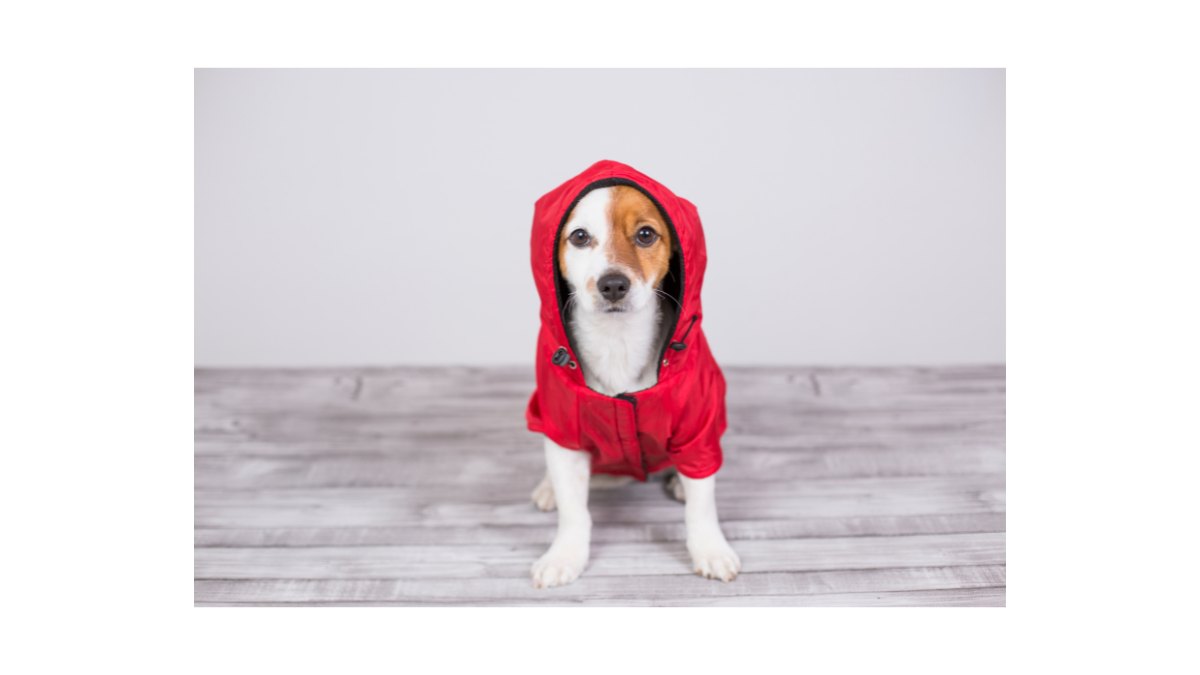
It really comes down to your climate. If you're dealing with dry, bitter cold, a proper insulated coat — padded or quilted — is what you want. If your winters are more wet than freezing (which covers a lot of the US), a waterproof shell is honestly more useful most of the time. Wet fur is its own problem and a good raincoat solves it. Fleece works well for the in-between days — cool and breezy without being actually cold. And if your dog is out early in the morning or after dark near roads, something reflective is worth having regardless of the temperature.
A lot of coats do two or three of these things at once, which is usually the better buy.
How Should a Dog Coat Fit?
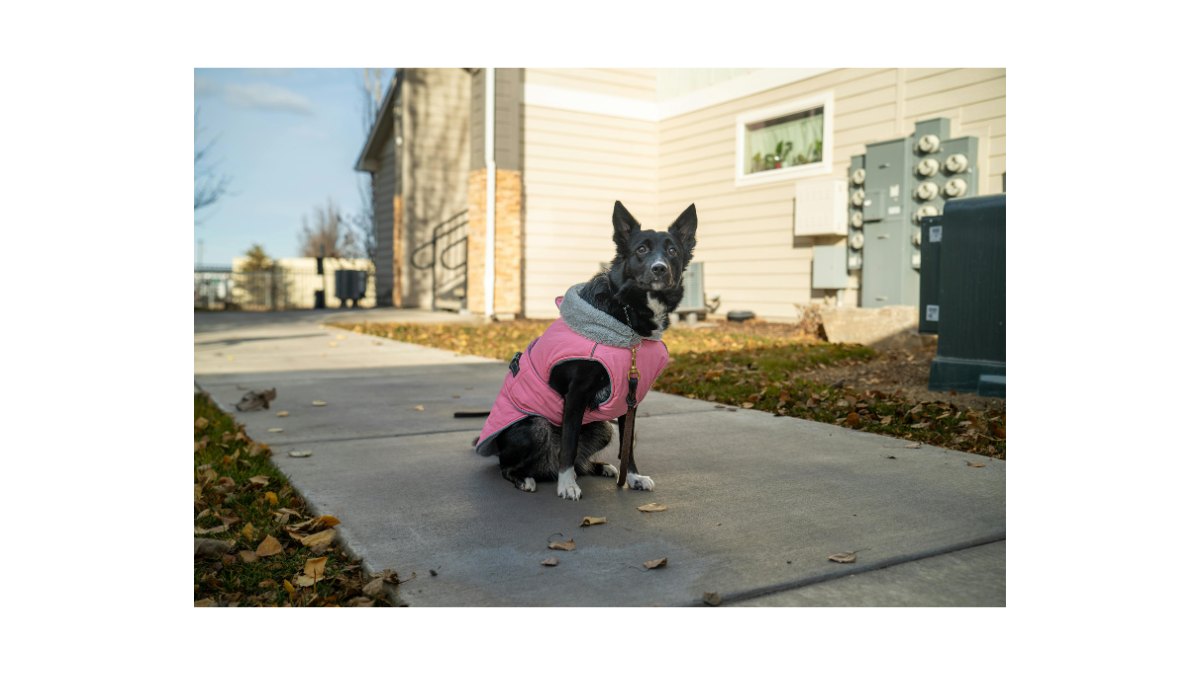
A coat only works if it fits, and a badly fitted one can rub or restrict movement and put your dog off wearing it for good.
Before you buy, take three measurements: back length from the base of the neck to the base of the tail, chest around the widest point behind the front legs, and neck. Don't trust breed size guides on the packaging — I've seen two dogs of identical breed and age that were built nothing like each other. Use the numbers. And once you've got the coat on, check that you can get two fingers underneath without it pulling, and that they can move their shoulders freely. If it rides up or drags, it's the wrong size.
A Few Things to Watch Out For
A coat is a tool, not a default. Don't overdress a double-coated breed just because it's cold — you can do more harm than good. Watch for the reverse problem too: a dog that's panting, trying to wriggle free, or looks uncomfortable is overheating and needs it off.
Take coats off indoors so your dog can cool down properly. And never leave a wet coat on — a soaked coat actually chills a dog faster than no coat at all.
Frequently Asked Questions
Do dogs need coats in winter? Depends on the dog. A Chihuahua in Chicago? Almost certainly. A Siberian Husky in the same city? Absolutely not — they're built for it. Short-coated, small, young, or elderly dogs are the ones that genuinely benefit. Thick double-coated breeds generally don't need one and can overheat in one.
At what temperature should I put a coat on my dog? I start thinking about it around 40–45°F for cold-sensitive dogs. Below freezing I'd put one on almost any dog that isn't built for cold weather. The bigger factor is often wind and rain — both drop the effective temperature significantly.
Do small dogs need coats more than big dogs? Generally yes, and the reason is straightforward: a small dog has a lot of skin relative to how much body they have to generate heat. A Chihuahua standing in a cold wind is losing warmth from every direction at once. A Labrador with a proper double coat and 70 pounds of mass behind it is a completely different story.
Can a dog overheat in a coat? Yes, and it's easy to miss. Panting when it's cold, trying to shake the coat off, acting restless or uncomfortable — those are all signals to take it off. Always remove it when you're back inside.
Do dogs need coats in the rain? More than most people realise. The temperature can be totally manageable but if the rain's coming in hard, a small or short-coated dog is going to be cold — wet fur doesn't insulate. A good waterproof coat on a 48°F rainy day does more work than a padded coat on a dry 38°F morning.
Get Closer to Your Dog with PawPaw
Whether your dog loves the cold or dreads it, they're telling you all winter long — in the way they move, hesitate at the door, or bound happily into the frost. The better you read those signals, the easier calls like this one become.
With PawPaw, you can upload a video of your dog and get a sense of what their behavior might be telling you. The app turns everyday dog moments into fun talking-dog videos while helping you understand your companion a little better.
Because the more you understand your dog, the stronger your bond becomes. Join the waitlist and be first to try it. 🐾