Types of Dog Collars: The 3 Things to Get Right Before You Buy
A quick guide to the main types of dog collars — and the three things that actually matter when you choose one: the right type, the right fit, and collar vs harness.

A collar is usually the very first thing you buy for a new dog, and it's easy to stand in the store aisle feeling faintly overwhelmed. Flat ones, martingales, harnesses, padded, leather, a wall of colors — where do you even start?
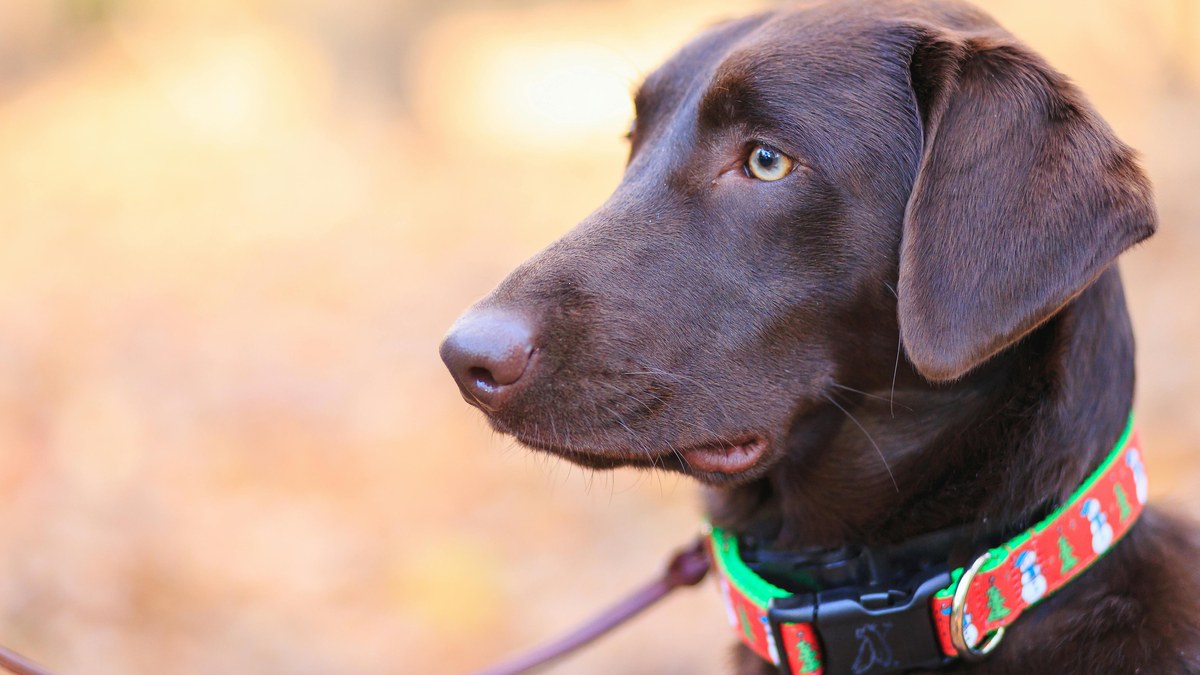
Here's the reassuring bit: it's simpler than the choice makes it look. Once you understand the main types of dog collars, almost the whole decision comes down to three things — picking the right type for your dog, getting the fit right, and knowing when a harness is the better call. Get those three right and everything else is just picking a color you like.
This post walks through the main types of dog collars and the three things to get right before you buy.
Thing 1: Get the Collar Type Right
Most of the "which collar?" question is really "which type suits this particular dog?" There are only a handful worth knowing, and each has a job it's good at.
Flat collars
This is the classic everyday collar — a strip of nylon, leather, or fabric with a buckle or quick-release clip. For most dogs, it's all they'll ever need. It holds their ID tag, gives you something to clip a leash to, and sits comfortably enough to wear all day. If you've got a dog that walks nicely and doesn't throw themselves to the end of the leash after every squirrel, a flat collar is the obvious starting point.
Martingale collars
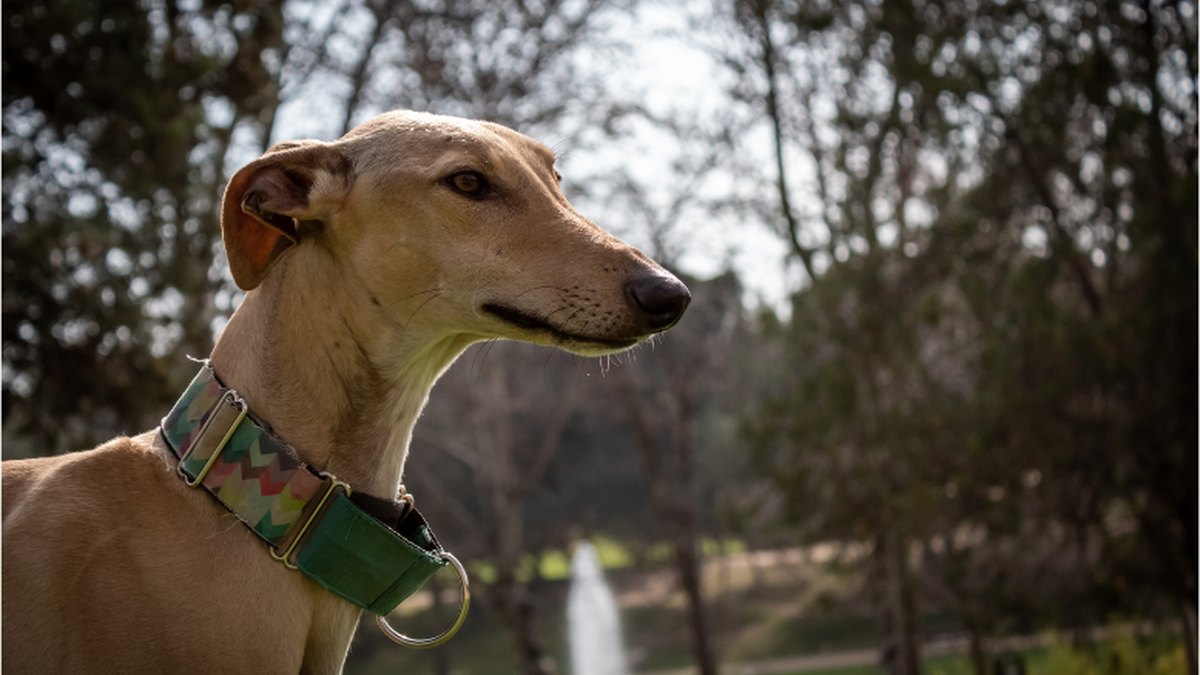
A martingale is the clever one. It tightens a little when your dog pulls, then stops before it can choke — so it gives you more control without hurting them. Its real gift is for dogs whose heads are narrower than their necks and can simply reverse straight out of a normal collar. If you've got a Greyhound, Whippet, Italian Greyhound, or any escape-artist sighthound, this is the collar that stops the heart-stopping "slipped the collar" moment on a busy street.
Harnesses
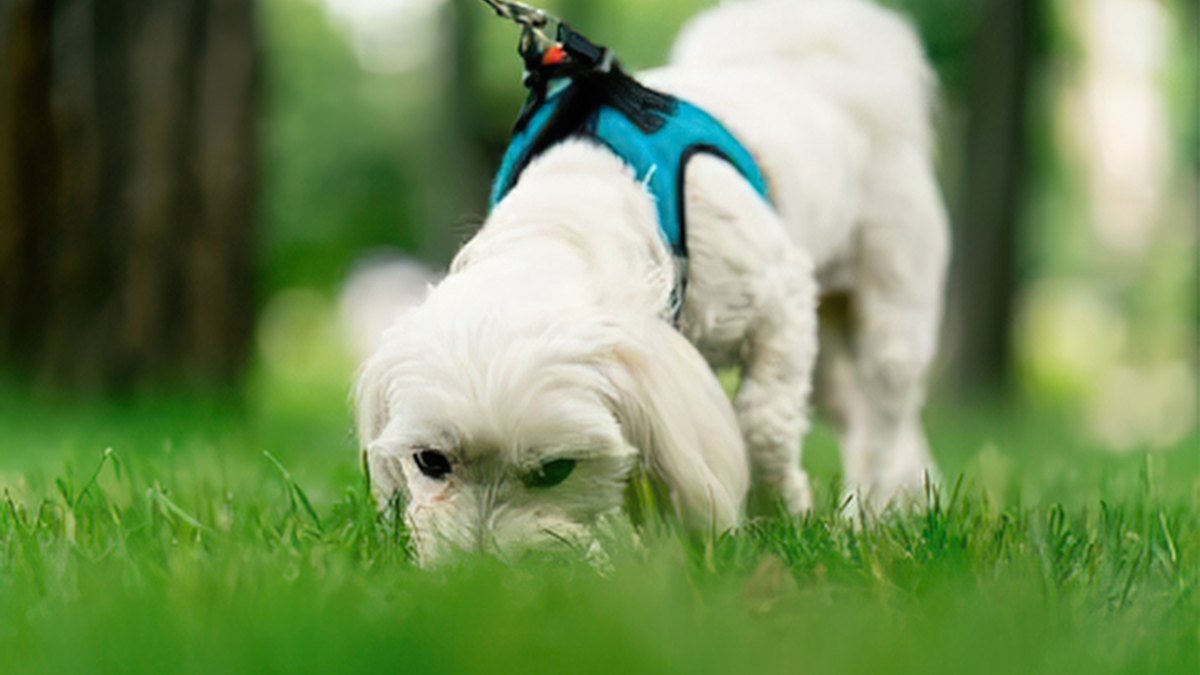
Technically not a collar, but it belongs in this conversation because for a lot of dogs it's the better choice for walks. Instead of putting pressure on the neck, a harness spreads it across the chest and shoulders. That matters enormously for dogs that pull, for tiny breeds with delicate necks, and for flat-faced dogs like Pugs and French Bulldogs whose airways already have enough to cope with. More on when to reach for one below.
Training collars — a word of caution
You'll also see slip collars, head halters, and various "training" collars. Some have their place in skilled hands, but this is the category I'd urge you to be careful with — anything designed to work through discomfort can do real harm if used wrong. Honestly, for the vast majority of owners, kind, reward-based training paired with a flat collar or harness gets you further than any corrective gadget. If you think you need one, work with a good positive-reinforcement trainer first.
Thing 2: Get the Fit Right
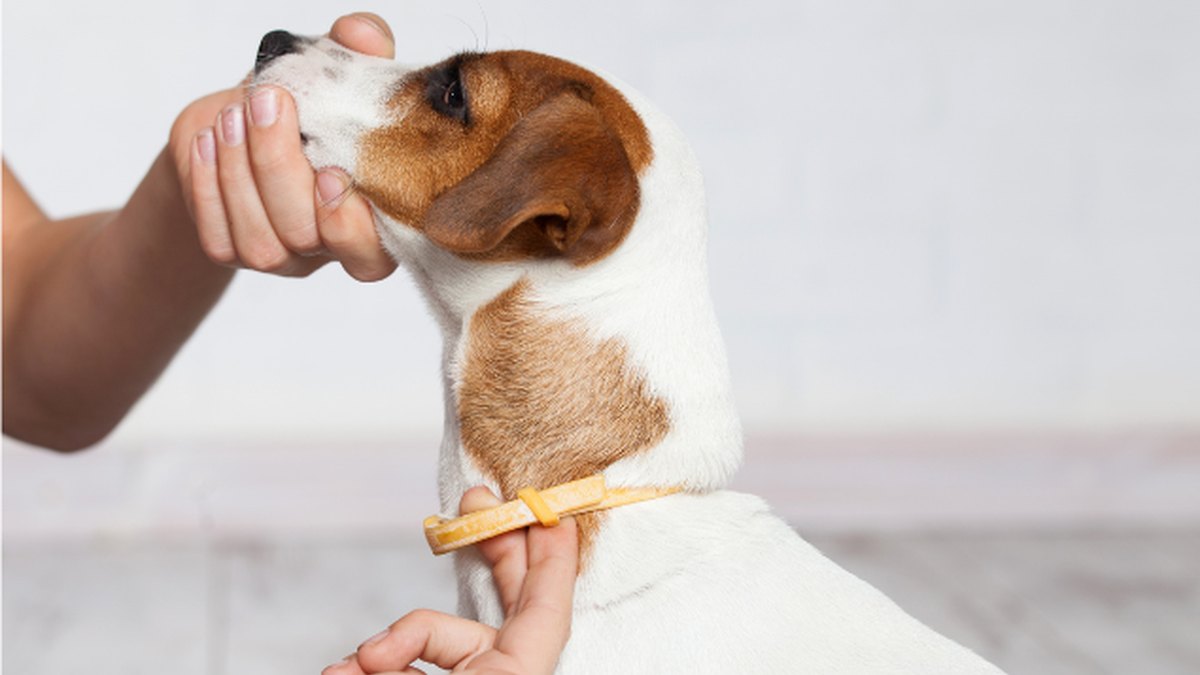
The best collar in the world is useless if it doesn't fit, and this is where I see people go wrong most often — usually erring too loose because they're worried about comfort.
The rule to memorize is the two-finger rule: you should be able to slide two fingers flat between the collar and your dog's neck, and no more. Any looser and a determined dog can back out of it; any tighter and it's uncomfortable and can rub. That's it — two fingers, snug but not snug enough to pinch.
Puppies are the exception that catches everyone out. They grow alarmingly fast, so check the fit every week or two, because a collar that was perfect a couple of weeks ago can quietly become too tight. It's worth a quick two-finger check any time you notice your pup has had a growth spurt.
Thing 3: Get the Collar vs Harness Call Right
This is the question I get asked most, and the honest answer is that it's not really either/or — most dogs are best served by both, used for different jobs.
Keep a collar on for ID. It's light, easy to leave on, and it's what carries your dog's tag. In many places an ID tag is required by law, and everywhere it's plain common sense — a collar with your number on it is the fastest way a lost dog gets home.
Reach for a harness for walks, especially if your dog pulls, is a small or flat-faced breed, or has any neck or breathing issues. Vets and modern trainers lean heavily toward harnesses for walking precisely because they take the strain off the neck. A dog that lunges on a flat collar is putting real pressure on their throat every time; the same dog in a harness isn't.
So the setup I'd suggest for most dogs is simple: a flat collar with an ID tag that lives on them day to day, plus a harness you clip on for walks. You genuinely don't have to choose.
What Are Dog Collars Made Of?
Material mostly comes down to your dog and your taste, but it's worth a quick word. Nylon is the everyday workhorse — light, tough, cheap, and it comes in every color and pattern going. Leather costs more and needs a short breaking-in, but it's hard-wearing, ages beautifully, and is a popular pick for bigger dogs. Padded fabric collars add a bit of cushioning that's kind to small breeds, sensitive skin, or any dog that wears a collar all day. None is "best" — the right one is the one that suits your dog's size, coat, and lifestyle.
Should Your Dog Wear a Collar All the Time?
Mostly, yes — chiefly because that's what keeps their ID on them, and a tag is no use sitting in a drawer when a door gets left open. Plenty of owners do slip the collar off at night or during downtime indoors, both for comfort and to avoid it snagging on crate bars or furniture, and that's perfectly reasonable. My rule of thumb: if your dog is heading outside or anywhere they could bolt, the collar and ID go on.
Signs the Collar Isn't Right
Your dog will usually tell you when something's off, as long as you're watching. Constant scratching at the collar, obvious efforts to paw it off, red or irritated skin around the neck, or a sudden reluctance to walk can all mean the fit or the type isn't working for them. None of these should be shrugged off as fussiness — they're feedback.
Reading those small signals is a skill worth building for far more than collars, and if you'd like to get better at it, our guide on how to read a dog's body language is a good place to start.
Strengthen Your Bond with PawPaw
From the tug of the leash to a scratch at the collar, your dog is communicating with you all day long — the better you read it, the easier choices like this one become.
With PawPaw, you can upload a video of your dog and get a sense of what their behavior might be telling you. The app turns everyday dog moments into fun talking-dog videos while helping you understand your companion a little better.
Because the more you understand your dog, the stronger your bond becomes. Join the waitlist and be first to try it. 🐾