How to Groom a Dog at Home: A Calm, Simple Routine
Learn how to groom a dog at home the calm way — the order to follow, the tools you actually need, and how often to brush, bathe, and trim without the stress.

The first time I tried to groom my own dog at home, I did everything in the wrong order. Bathed her first, then tried to brush out a coat full of wet knots. She forgave me. Eventually.
If you've been putting off grooming your dog at home because it feels like a job for professionals, I want to talk you out of that. You don't need a grooming table or a shelf of clippers to keep your dog clean and comfortable. You need the right order, a few basic tools, and a bit of patience. That's genuinely most of it.
Grooming isn't only about looks, either. Running your hands through your dog's coat every week is how you catch the lump, the tick, or the sore patch before it becomes a vet trip. It's also, quietly, one of the nicer bits of the day — ten minutes where it's just you and your dog and nothing else going on.
This post walks you through how to groom a dog at home: the order to do things in, the kit that's worth buying, and how often each job actually needs doing.
Can You Groom a Dog at Home?
Yes — and most owners can handle far more of it than they think. Brushing, bathing, nails, ears and teeth are all well within reach at home once you've done them a couple of times. The one thing I'd be honest about is the full breed haircut. If you've got a poodle, a cockapoo, or anything with a coat that needs scissoring into shape, leave the styling to a groomer and focus your home routine on keeping the coat clean and tangle-free between appointments.
Start slow. Do brushing and nails first, build your dog's confidence, and add the rest once you're both relaxed about it. Nobody nails this on day one.
What Tools Do You Need to Groom a Dog at Home?
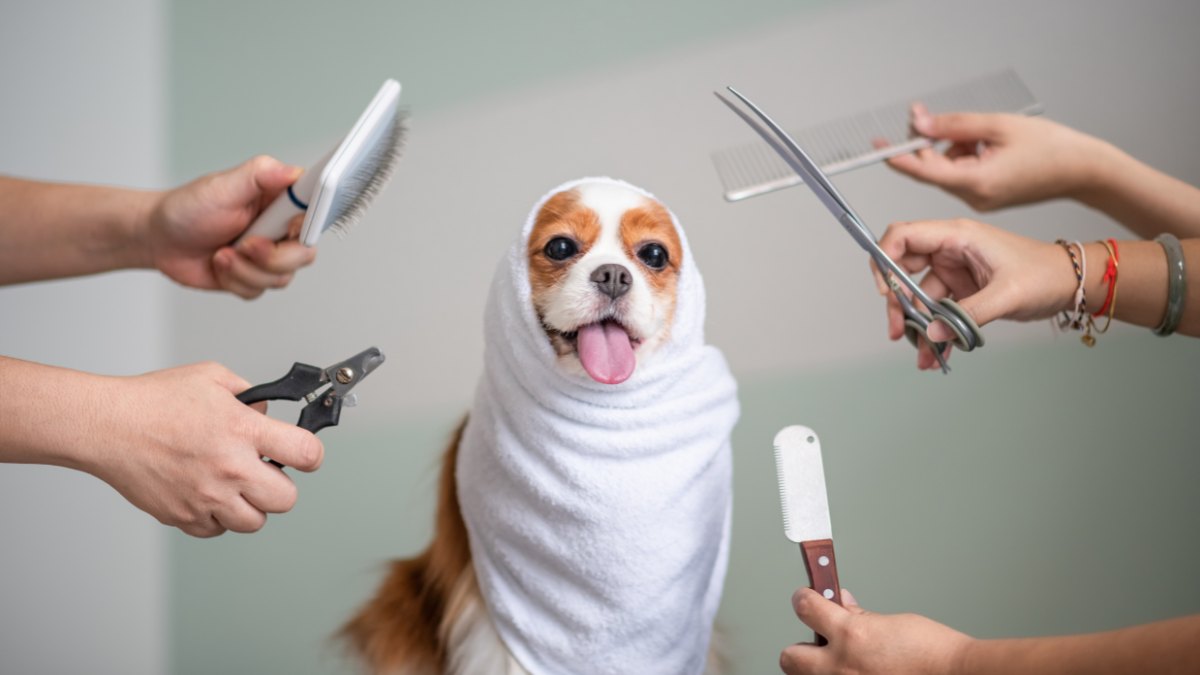
You can start with surprisingly little. The one tool that earns its place for every dog is a good brush matched to the coat — get that right and you've prevented most grooming problems before they start.
Beyond the brush, a sensible starter kit looks like this:
- A brush or comb suited to your dog's coat (slicker brush for longer coats, a rubber curry or bristle brush for short ones)
- Dog nail clippers or a grinder, plus styptic powder in case you catch a nail too short
- Dog shampoo — never human shampoo, as it upsets the pH of their skin
- A vet-approved ear cleaner and some cotton wool
- A dog toothbrush and dog toothpaste
That's it to begin with. You can add a de-shedding tool or a slip-proof bath mat later if you find you need them, but don't feel you have to buy the whole shop before you start.
In What Order Should You Groom a Dog?
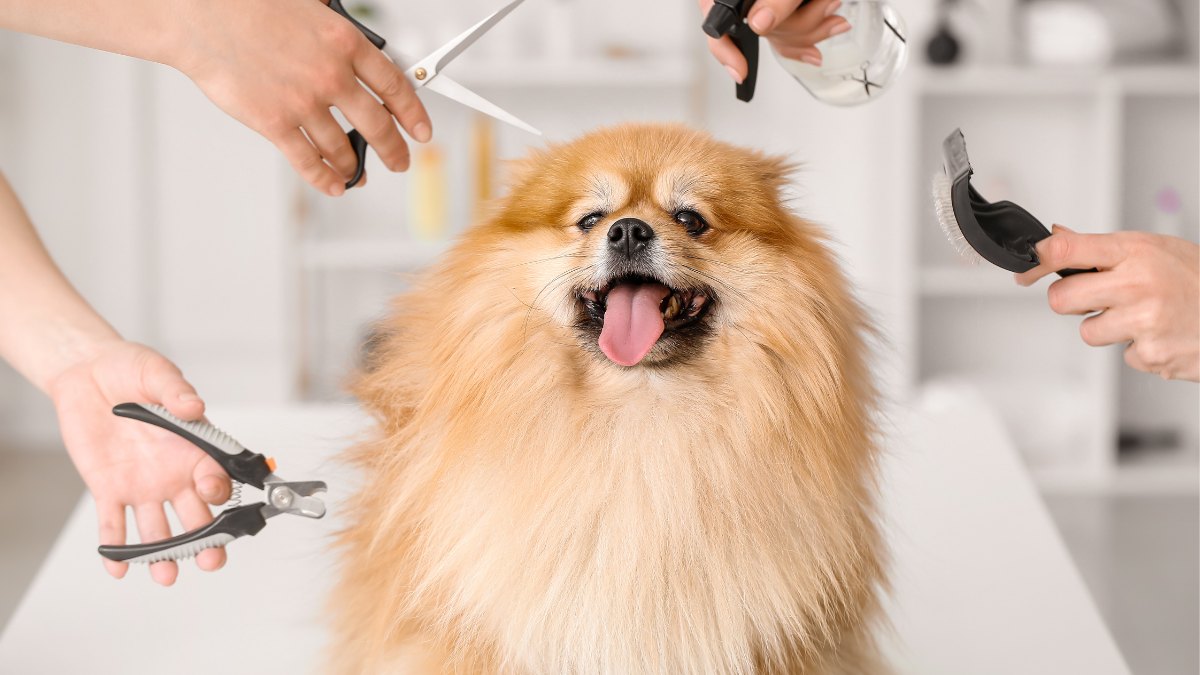
This is the bit I got wrong all those years ago, so let me save you the trouble. Brush first, then bathe, then dry, then do nails, ears and teeth at the end. The reason matters: water tightens knots, so any mat you don't brush out beforehand turns into a solid lump in the bath. Brushing a dry coat first means the wash actually gets your dog clean instead of soaking a tangle.
Nails, ears and teeth come last, once your dog is clean and calm and a bit more willing to sit still for the fiddly jobs.
Brushing Your Dog's Coat
Brushing is the single most useful thing you'll do, and honestly it's where I'd tell any nervous beginner to start. It lifts out loose hair and dirt, spreads the natural oils that keep the coat healthy, and stops tangles turning into painful mats close to the skin.
How often depends entirely on the coat. A short-haired dog — think a Labrador or a Beagle — is happy with a brush once or twice a week. Medium coats need a few sessions a week to stay tangle-free. Long or double-coated breeds like Golden Retrievers, Shih Tzus and collies really do benefit from a quick daily going-over; skip it for a fortnight and you'll be dealing with mats that have to be cut out rather than brushed.
One tip that changes everything: brush in the direction the hair grows, and take your time on the trouble spots — behind the ears, under the collar, the backs of the legs. That's where mats love to hide.
Bathing a Dog at Home
Here's where a lot of well-meaning owners overdo it. Dogs don't need bathing anywhere near as often as we do, and washing them too much strips the oils their skin relies on. For most dogs, once every four to eight weeks is plenty — sooner if they've found something unspeakable to roll in on a walk, which, let's be honest, they will.
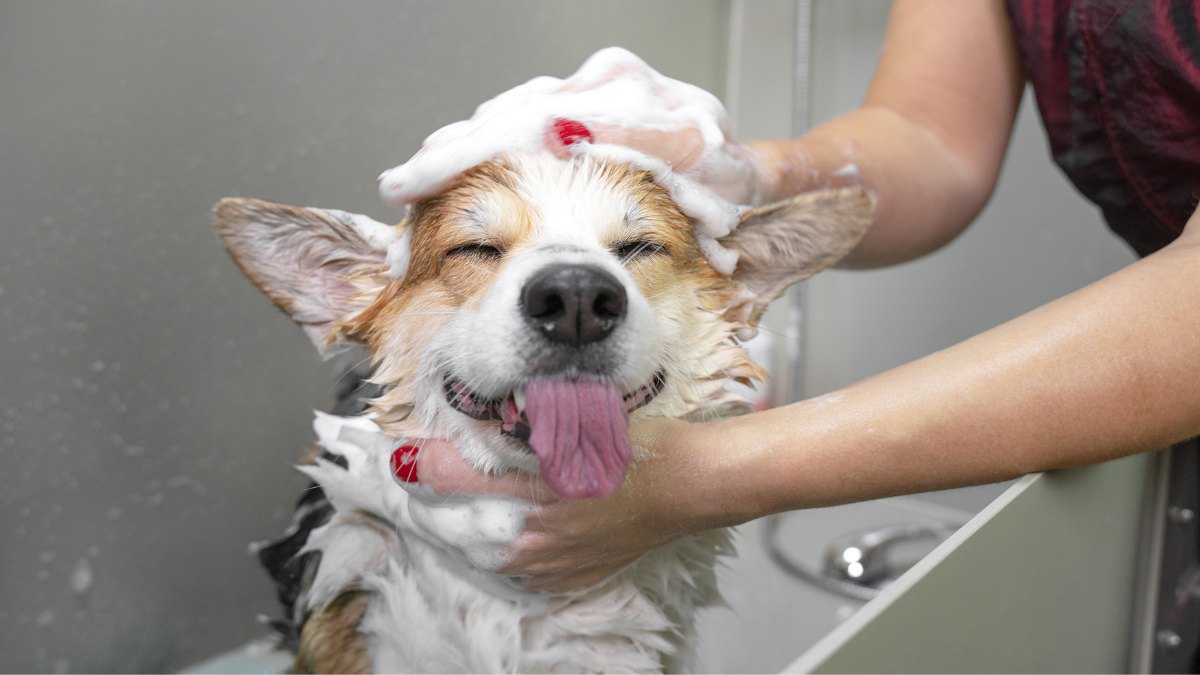
Use lukewarm water and a dog shampoo, work it in gently, and rinse until the water runs completely clear. Leftover shampoo is a classic cause of itchy, flaky skin. Bath time also happens to be a brilliant moment for a health check while your hands are already all over them — have a feel for any lumps, and keep an eye out for fleas, ticks or red, irritated patches you've not noticed before.
Trimming Your Dog's Nails
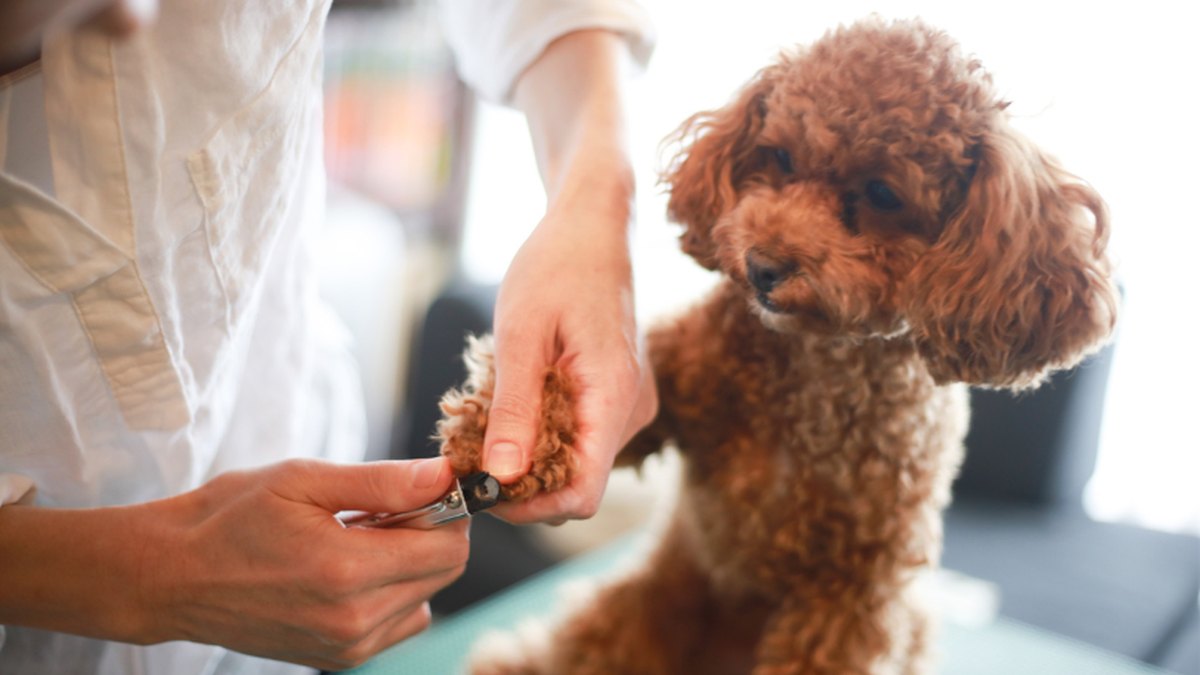
Nails are the job people dread most, and I understand why — get it wrong and it bleeds, and your dog remembers. But overgrown nails aren't just a cosmetic thing. They push into the ground when your dog stands, change how they walk, and over time put real strain on the joints.
If you can hear a click-click on the kitchen floor, they're too long. Trim a small amount at a time and stop well before the quick — the pink area you can see inside pale nails. Dark nails hide the quick, so with those it's safer to take off tiny slivers rather than guess. Keep the styptic powder within reach the first few times; it stops any bleeding quickly if you do catch one, and takes a lot of the fear out of learning. Most dogs need a trim every three to four weeks.
Cleaning Your Dog's Ears
Some dogs sail through life without a single ear problem. Others — particularly the floppy-eared breeds like spaniels and basset hounds, where air doesn't circulate well — are prone to infections and need a regular check.
Once a month, or whenever you notice something's off, wipe the visible part of the ear with a vet-approved cleaner on a piece of cotton wool. Never push anything down into the ear canal. The signs worth watching for are a lot of scratching or head-shaking, redness or swelling, or a yeasty smell. Any of those and it's worth a vet visit rather than another clean — infections need treating, not just wiping.
Dog Dental Care
Teeth are the part of grooming almost everyone forgets, and it's the one with the biggest hidden cost. Plaque builds into tartar, tartar leads to gum disease, and dental problems are genuinely one of the most common issues vets see. Brushing your dog's teeth a few times a week with a dog toothbrush and dog toothpaste — never the human kind, it's toxic to them — makes a real difference over a lifetime.
If your dog flatly refuses the toothbrush, dental chews and the right toys help take the edge off. They're not a full substitute for brushing, but they're far better than nothing.
How Often Should You Groom Your Dog?
If you like a rough rhythm to work to: brush several times a week (daily for long coats), bathe every four to eight weeks, check and trim nails every three to four weeks, and clean ears about once a month. Teeth, ideally, a few times a week alongside everything else.
Every dog is a little different, though. Coat type, how muddy your walks get, whether they've got sensitive skin — it all shifts the numbers. Treat these as a starting point and adjust to the dog in front of you. And if you'd like the wider picture on why coat type changes all of this, our guide to dog coats is a good companion read.
When to See a Professional Groomer
Grooming at home and using a professional aren't an either/or. Plenty of owners do the weekly upkeep themselves and book a groomer every six to eight weeks for the jobs that need a trained hand — a proper breed cut, de-matting a coat that's got away from them, or a nervous dog who does better with an experienced pro. There's no shame in that. Knowing your limits is part of doing right by your dog.
Making Grooming a Calm Experience
None of the above works if your dog dreads it, so this might be the most important section here. The goal isn't just a clean dog — it's a dog who doesn't mind being groomed.
Start young if you can, keep the first sessions short, and pair everything with treats and a bit of praise so grooming predicts good things. If your dog gets restless, stop before they hit their limit rather than pushing through a meltdown; you can always finish tomorrow. And pay attention to what they're telling you while you work. Pulling away, whining, lots of lip-licking or a sudden stiffness are all your dog saying "I've had enough for now." Backing off at that point is exactly how you build a dog who, in time, actually settles for grooming instead of bracing against it.
If reading those signals is something you'd like to get better at, we go deep on it in how to read a dog's body language.
Get Closer to Your Dog with PawPaw
Your dog is telling you how they feel all through a grooming session — in their eyes, their ears, the set of their body. The better you read it, the calmer the whole thing becomes.
With PawPaw, you can upload a video of your dog and get a sense of what their behavior might be telling you. The app turns everyday dog moments into fun talking-dog videos while helping you understand your companion a little better.
Because the more you understand your dog, the stronger your bond becomes. Join the waitlist and be first to try it. 🐾