How to Choose a Dog Bed: Types, Sizes and What Actually Matters
Not all dog beds are created equal. Here's how to match the right type and size to your dog's sleep style, age, and specific needs.

Our dog Shea has two beds and a favorite bath mat. For a while I thought she was just being difficult. Turns out the bath mat sits in exactly the spot she prefers — tucked under the sink, slightly cool, out of the main hallway traffic. The beds were fine. The location was wrong. It taught me something I now tell every new dog owner: choosing a dog bed is really about matching what your dog's sleep habits are already telling you, not just picking the plushest option on the shelf.
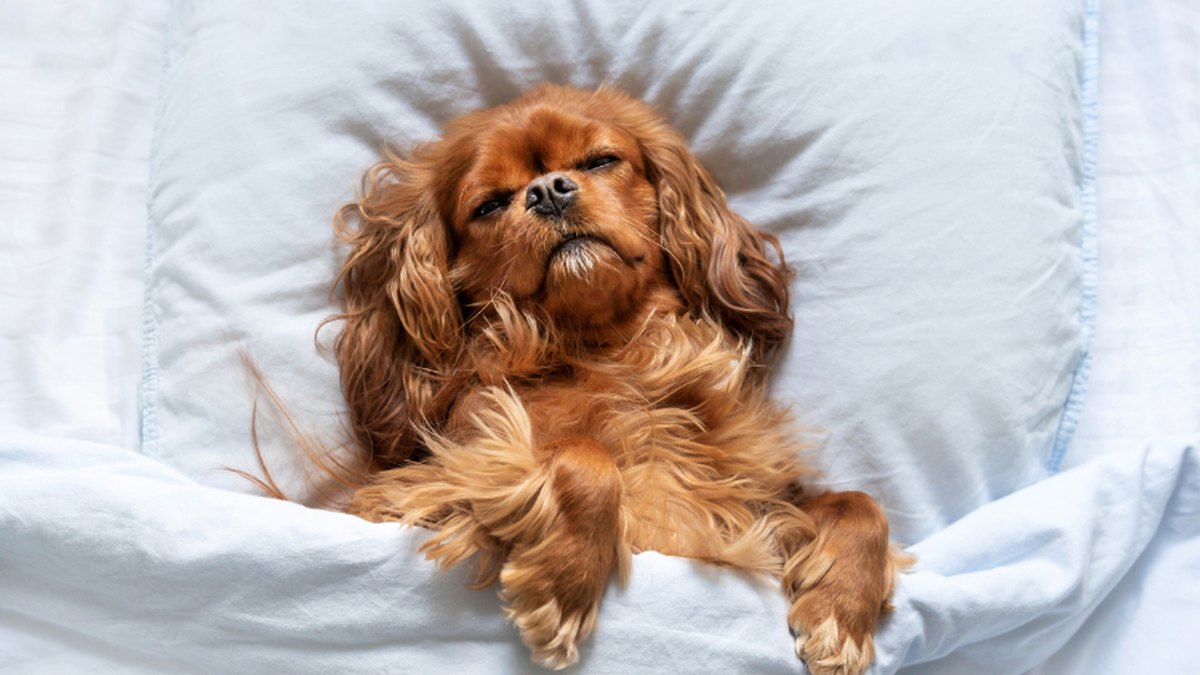
Dogs sleep a lot — 12 to 14 hours a day on average, sometimes closer to 18 for puppies and older dogs. That's most of their life spent horizontal. So the bed you choose genuinely matters, both for their physical comfort and for the feeling of having a safe place that's properly theirs.
This guide walks through how to choose a dog bed that actually suits your dog — the types, the sizes, and the things that make a real difference.
What Your Dog's Sleeping Position Is Already Telling You
Before you even look at beds, watch your dog sleep for a few nights. Their natural position tells you more about what bed will work than any product description will.
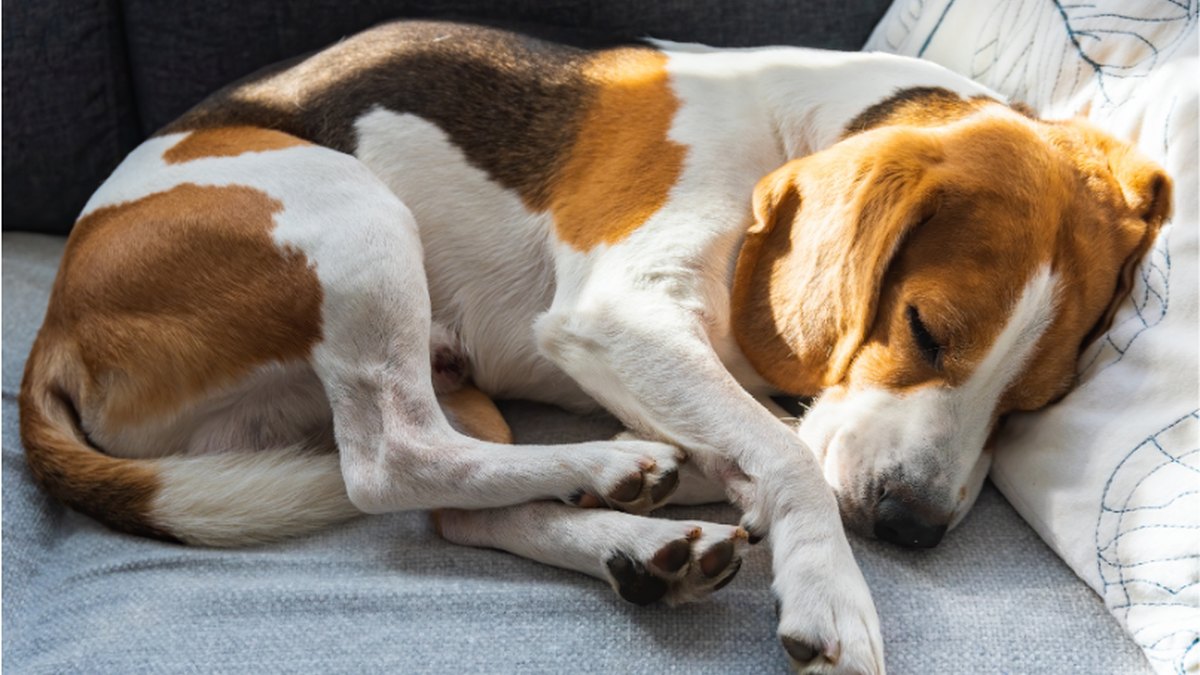
The curler — tail tucked in, nose nearly touching it — is conserving warmth and feeling secure. This dog wants a raised rim or a soft wall to press against. Donut beds and bolster beds were basically made for them. A flat mattress just leaves a curler feeling exposed.
The sprawler stretches out fully, limbs going in different directions, sometimes flipped on their back. They need space above everything else. Put them in a donut bed and they'll be half-hanging off the edge. A wide, flat mattress bed is the right call.
Then there's the leaner — the dog who always seems to want their chin or shoulder resting on something, a cushion edge, your leg, the arm of the sofa. Bolster beds with a raised side panel are exactly what this dog is looking for.
Most dogs have a consistent preference. If yours switches it up, a flatter mattress bed gives the most flexibility.
Types of Dog Beds — and Which Dog Suits Each
Once you know your dog's sleeping style, the type of bed is a much easier decision.
Orthopedic dog beds use high-density foam — sometimes memory foam — to spread your dog's weight evenly and take pressure off joints. They're the gold standard for senior dogs, large breeds, and any dog dealing with arthritis, hip issues, or stiffness. A good one will hold its shape for years; a cheap one will flatten to almost nothing within a few months and defeat the whole point. If you have a dog who's visibly stiff getting up in the morning, an orthopedic bed is probably the most useful thing you can buy them.
Memory foam beds are a type of orthopedic bed, really, with the added feature that the foam molds to the shape of the body rather than just supporting it. For dogs that sleep heavily in one position for long stretches, the customized contouring is genuinely comfortable. They do tend to be pricier, and they can retain heat — something to factor in if you have a dog that runs warm, like a Husky or a thick-coated Malamute.
Donut beds — sometimes called calming beds — have a plush, raised rim all the way around that creates a nest. Dogs that curl up love them. They're also good for anxious dogs; the enclosed shape seems to give a sense of security, similar to being in a den. A caveat: the softness that makes them cozy means they offer almost no orthopedic support. I wouldn't put an older dog with joint issues in a donut bed as their only option.
Bolster beds are a flat base with a raised panel on one or more sides — a middle ground between a mattress and a donut. They suit leaners perfectly, and work well for dogs who curl up but also need more room than a donut allows.
Elevated or cot-style beds suspend the dog off the ground on a stretched fabric frame. They're brilliant for warm climates because the airflow underneath keeps dogs much cooler, and they're surprisingly easy to clean — just wipe down. If your dog has always preferred hard cool floors to soft beds, they might actually prefer this style.
How to Get the Size Right
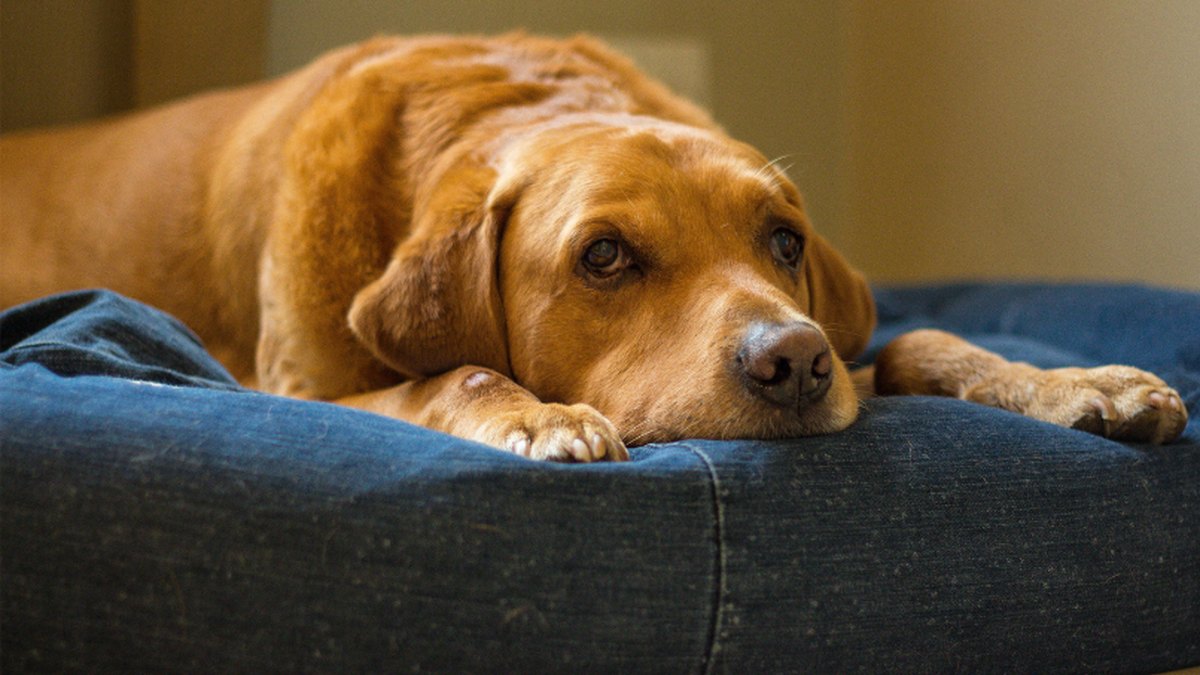
This is where a lot of people go wrong, usually in the direction of too small.
The simple rule: measure your dog from the tip of their nose to the base of their tail while they're lying in their most stretched-out position. Add about 6 to 8 inches (15 to 20 cm) and that's your minimum bed length. Don't measure to the tail tip — that's bonus coverage, not the core of where they need support.
For dogs that sprawl, go bigger still. There's no downside to a slightly oversized bed; there's a real downside to one that's too small — a dog that's half-hanging off the edge won't sleep as deeply and won't stay on the bed for long.
Puppies are the awkward case. They'll outgrow a puppy-sized bed quickly, but a huge adult bed can feel unsettling for a small pup. A reasonable approach is to buy for the adult size they'll grow into and just use a rolled-up blanket to partition part of it while they're small. It works.
What's the Best Dog Bed for Older Dogs?

Senior dogs spend even more time sleeping than younger ones — often 16 to 18 hours a day — and their joints feel it. Hard floors and thin, flattened cushions turn into real sources of discomfort when a dog's hips and elbows are already under stress.
For an older dog, an orthopedic memory foam bed is usually the best investment you can make. The foam should be at least 3 to 4 inches (8 to 10 cm) thick to provide actual support rather than just a soft surface. Check that it still springs back after you press it down firmly — if it doesn't, the foam has broken down and won't do much for your dog's joints.
Entry height matters too. A dog with stiff hips or arthritis shouldn't have to step up or over a high bolster to lie down. Look for beds with a low entry point or a notched opening. Some orthopedic beds are designed flat specifically for this reason.
One more thing: if you notice your senior dog getting stiff more often than usual, or changing how they get up, a vet check alongside a new bed is a good idea. A better bed helps enormously, but it doesn't replace a look at what's actually going on underneath.
Does Washability Matter?
More than people think, yes. A dog bed that can't be properly cleaned is a bed you'll end up throwing away sooner than you'd like. Look for a removable, machine-washable cover as a baseline requirement — not a luxury. Some dogs drool, some dogs come in muddy, some have the occasional accident, and even the cleanest dogs leave hair and dander behind. A cover you can pull off and toss in the machine makes the difference between a bed that stays fresh and one that becomes a hygiene problem.
The foam or filling inside should also be checked — some are water-resistant or can be spot-cleaned, others will be wrecked by moisture. If you have a dog prone to accidents (older dog, puppy in training), a waterproof liner between the foam and the cover is worth having.
Where Should You Put the Dog Bed?
Location affects how much your dog actually uses the bed. Most dogs sleep best somewhere that's quiet enough to rest but close enough to family activity to feel included — an isolated back room rarely gets used as much as a corner of the living room does. Avoid spots near drafts or direct heating vents; temperature extremes disturb sleep just like they do for us.
If your dog tends to follow you from room to room, having a second bed in the bedroom isn't indulgent — it's practical. Dogs are social sleepers by nature, and most genuinely settle better when they can hear the people they live with.
Do Dogs Need More Than One Bed?
Honestly, it depends on the dog and the house. If you have a multi-floor home and your dog moves with you throughout the day, one bed on each level makes sense and you'll notice your dog using both. If your dog is attached to a single spot and never really leaves it, one good bed is plenty.
What I'd resist is buying multiple cheap beds instead of one good one. A single well-made orthopedic bed does more for your dog than three thin cushions scattered around.
What a Good Dog Bed Does for Your Dog
Beyond the obvious comfort, a dog's bed serves as their retreat — a place they can go when the house is busy, when they're tired, or when they just want a break. Dogs that have a consistent, comfortable sleeping spot tend to be calmer and settle more easily than dogs who have to scavenge for somewhere comfortable to lie down.
Understanding what your dog is communicating through their rest habits — where they sleep, how they sleep, what they gravitate toward — is part of reading them better generally. If you'd like to go deeper on that, our guide on how to read a dog's body language is a good companion to this one.
Sleep Better, Bond Better — with PawPaw
Your dog tells you a lot through how they behave — and sleep is part of that picture. The more you understand what your dog's habits are communicating, the better you can meet their needs.
With PawPaw, you can upload a video of your dog and get a read on what their behavior might be telling you. The app turns everyday dog moments into fun talking-dog videos while helping you understand your companion a little better.
Because the more you understand your dog, the stronger your bond becomes. Join the waitlist and be first to try it. 🐾