How Do Dogs Show Affection? 11 Signs to Know
How do dogs show affection? Eleven loving behaviors, from licking and leaning to contented sighs, plus what each one means and how to show love back.

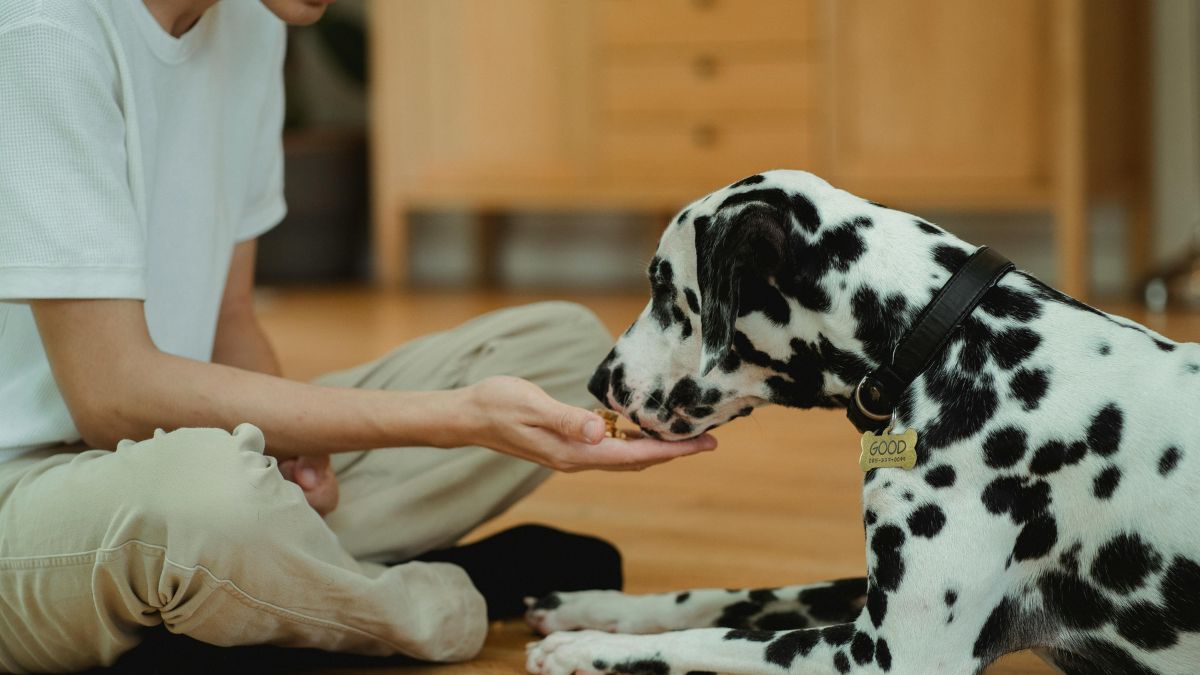
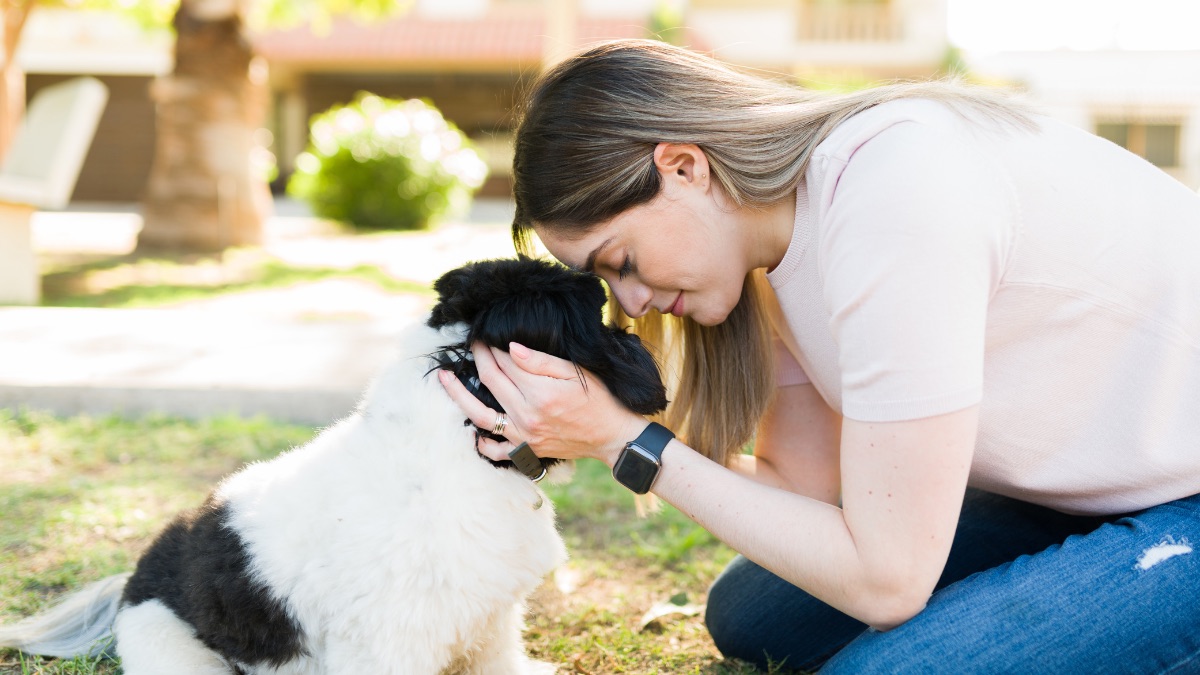
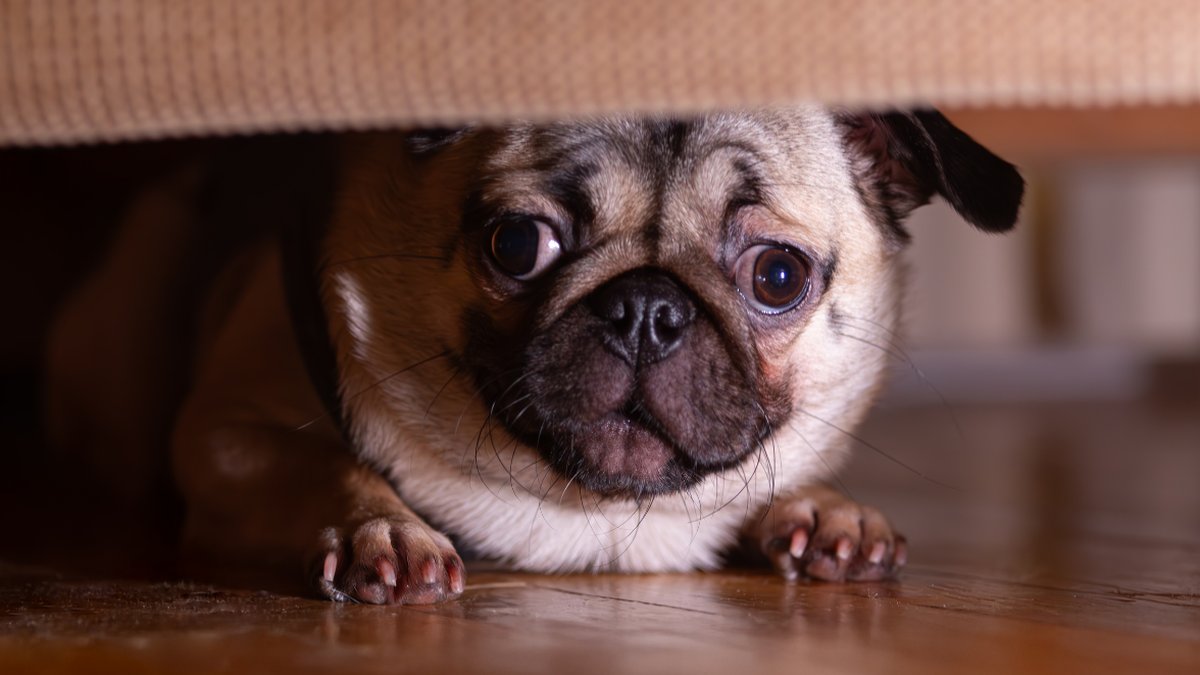
How do dogs show affection when they can't say a word? Mostly in small ways that are easy to wave off. The paw on your knee while you're trying to eat. The long sigh as they flop down beside you. Most owners get plenty of love every day and never register it as love.
Dogs also have a different vocabulary from ours. They don't hug, since being squeezed can feel like restraint, so they lean, nudge, lick, and sit on your feet instead. Once you know the translations, the house starts to feel a lot more affectionate.
This post is all about how dogs show affection: 11 loving behaviors to look for, what each one means, and how to tell real affection from a dog who simply wants something.
11 Ways Dogs Show Love to Their Owners
1. Licking: Why Does My Dog Lick Me?
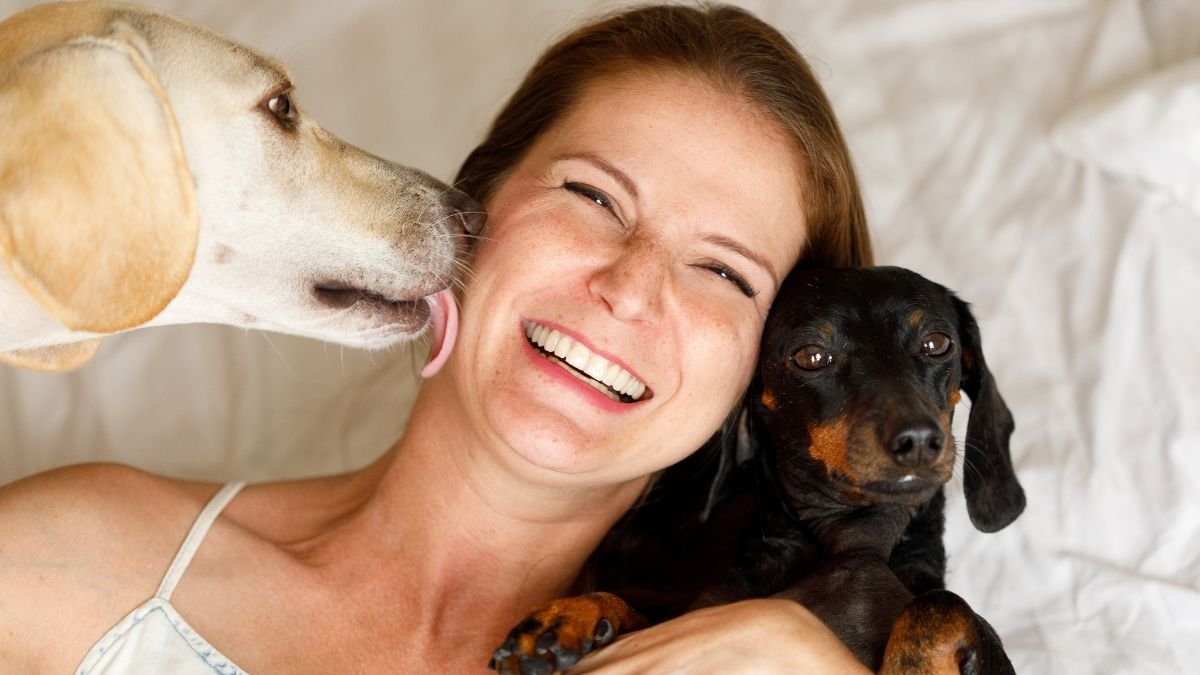
Puppies lick their mother's face to say hello and ask for care, and plenty of adult dogs never grow out of it. Licking your hands or chin is usually a greeting, a bit of grooming, or a way of saying you matter. It also tastes interesting, because skin is salty.
A quick lick or two when you walk in is just hello. If it never stops, or gets frantic, that's more likely nerves or boredom, so check what the rest of the dog is doing.
2. Leaning: Why Does My Dog Lean on Me?
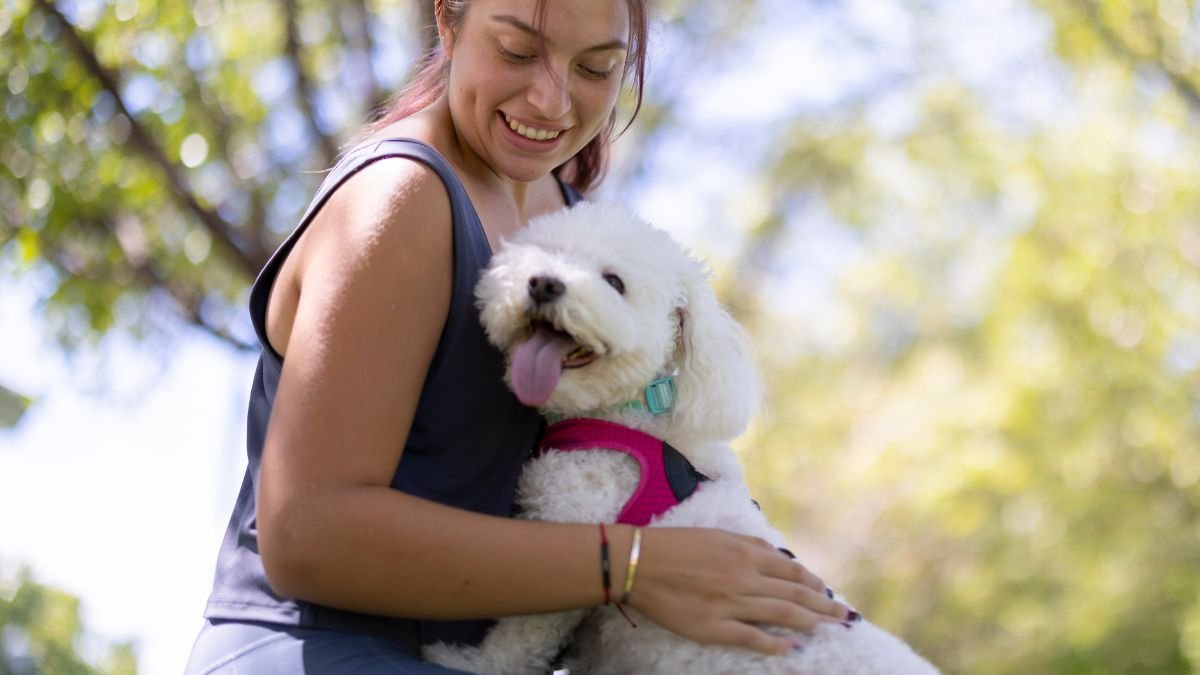
A lot of dogs will wander over while you're standing at the stove and drop their whole weight onto your legs. Big breeds can nearly tip you over. Nobody made them do it. They picked you as the thing to lean on.
3. Resting Their Head on You
A chin on your knee or a head tucked into your lap is one of the sweetest things a dog does. They're close, they're relaxed, and they'd like you to notice. Rub the ears and they'll often melt even further.
4. Nose Nudges and Paw Taps
A gentle nudge under your hand usually means pet me. A paw landing on your arm says the same thing with more emphasis. This one is affection and attention-seeking rolled together, which is fine in small doses. We'll come back to the difference below.
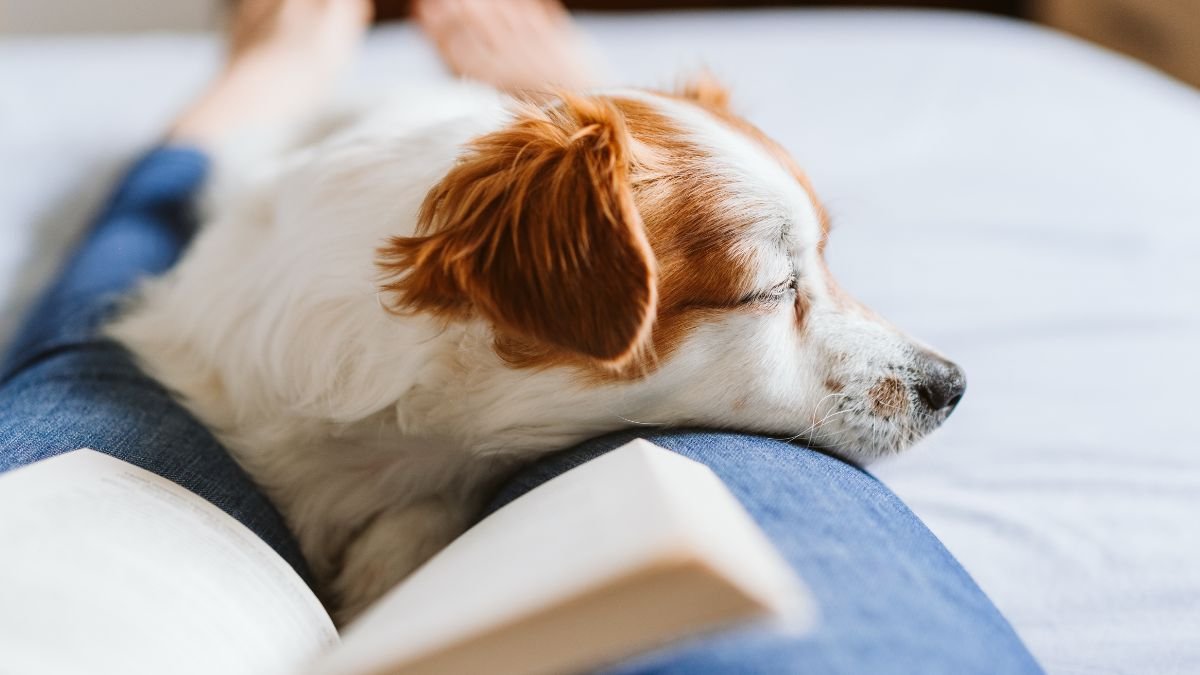
5. Sleeping On or Against You
Sleeping is when a dog is at its most vulnerable, so where they choose to do it says a lot. Dogs who curl up against your legs, or pile onto the couch the second you sit down, are choosing to switch off beside you. Some will take the bed even when they have a perfectly good one of their own.
6. The Wiggly Whole-Body Greeting
You come home after ten minutes and the dog acts like you've returned from war. Loose, wiggly, tail swinging from the hips: that's a dog who's thrilled you exist. Zoomies around the living room often follow. It's easy to laugh off as silliness, but the greeting is real.
7. Gentle Nibbling
Some dogs nibble at your sleeve or fingers with their front teeth, very softly, the way dogs groom each other. It's usually a sign of comfort. It should never hurt, and if it does, the dog is either overexcited or hasn't learned bite control yet, which is a different conversation.
8. Contented Sighs
You know the sound. A dog drops down near you and lets out a long, heavy breath through the nose. That one means settled. Dogs sigh when something good is going on, and being near you is high on the list. A sigh paired with half-closed eyes is about as relaxed as a dog gets.
9. A Soft Face
Affectionate dogs look different. The brow is smooth, the eyes are a little squinty, the mouth hangs loose, and sometimes the eyebrows lift in that sweet way that makes owners melt. If you've read our guide on how to read a dog's body language, this is the opposite of the tight, hard face of a stressed dog.
10. Bringing You Things
A sock, a shoe, a stuffed animal hauled across the house and dropped in front of you. Dogs share what they value with the people they trust. It isn't always a toy, and it isn't always a good choice (the TV remote has been known to turn up). Take it as a compliment and swap it for something you don't mind losing.
11. Sitting on Your Feet
Butt-first against your legs, or parked right on top of your feet, is a dog keeping you close. Some call it the velcro dog. They want to know where you are, and they'd like to be touching you while you're there.
Is It Affection or Attention-Seeking?
Often it's both. A dog who rests a chin on your knee, then wanders off once you've said hello, is being affectionate. A dog who nudges, then paws, then barks, and keeps going until you give in is running a campaign. It works, which is why they do it.
Neither one is a problem. A dog who pesters you likes you. The one to watch is the dog who can't stop. If yours cries at the bathroom door or comes apart when you leave the room, that's nearer to anxiety than affection, and your vet is the first call.
What If My Dog Isn't Very Affectionate?
Some dogs just aren't cuddlers. Shiba Inus and Afghan Hounds are known for keeping their distance, and a rescue may take months to accept touch at all. Plenty of dogs are happiest a few feet away. If yours turns up in the kitchen doorway while you cook and simply watches, that's their version of "glad you're here."
Pulling a reluctant dog in for a hug backfires. Let them come to you, reward the small steps, and the cuddly side often turns up by itself. If you're after the deeper trust side of this, our post on the signs your dog is bonded to you goes into it.
How to Show Affection to a Dog
Dogs read love differently from people, so a few translations help.
Slow, soft strokes along the chest, shoulders, or base of the ears usually go over better than a pat on top of the head. Plenty of dogs find that last one a bit much. Talking to them in a warm, easy voice counts too, and so does simply being around. Time together, a sniffy walk where they set the pace, a game of tug, a lazy hour on the couch: that's what a dog hears as love.
Hugging is the one to be careful with. Many dogs tolerate it rather than enjoy it. If yours leans away, stiffens, or turns their head, they'd rather you didn't. A hand resting on their side does the job without squeezing.
Frequently Asked Questions
How do you know if your dog loves you? Watch what they do when nothing's happening. The dog who drifts over and flops down by your feet for no reason is telling you more than the one going wild at the front door.
Do dogs know when we kiss them? Not really, no. What they pick up on is your voice and how gently you touch them. Some dogs like it. If yours leans away or looks off to the side, skip the kiss with that one.
Why does my dog stare at me? Soft, relaxed staring, with squinty eyes and a loose body, is usually affection or a quiet request for something. A hard, fixed stare on a stiff body is different, and it deserves some space.
Do all dogs like cuddling? No. Some love it, some put up with it, and some would honestly prefer to sit next to you. Pay attention to what your own dog does when you reach for them.
Why does my dog bring me toys? Mostly because they want to play, and because you're the person they trust to share with. Some dogs bring a gift when you get home, too, a bit like a greeting.
To Sum Up
Dogs show affection constantly, usually in ways so small we step right over them. The next time yours sighs beside you, leans on your leg, or drops a soggy sock at your feet, take a second to notice it. They've been telling you all along.
Want to Understand Your Dog Even Better?
Your dog is communicating with you all day long through behavior, body language, and habits, and now you know what some of it means.
With PawPaw, you can upload a video of your dog and discover what their behavior might be telling you. The app turns everyday dog moments into fun talking-dog videos while helping you understand your dog better.
Because when you understand your dog, your bond becomes even stronger. 🐾
This article is part of our dog behavior guide.