How to Choose a Dog Breed: The Ultimate Guide
How to choose a dog breed that actually fits your life — what breed really tells you, the four things that matter most, and the breeds that suit different homes.

Choosing a dog breed might be the biggest decision you make before your dog even comes home — and it's one people tend to make with their heart first and their calendar second. It's easy to fall for a face. The harder, more useful question is: will this dog actually fit the life you already live?
Get that match right and life with your dog feels easy and joyful. Get it wrong and you can end up with a brilliant dog who's quietly miserable — a herding breed with nowhere to herd, or a couch-loving companion dragged on marathons they never signed up for. This guide walks you through how to choose a dog breed that suits your real, everyday life: what breed actually tells you, the handful of things that matter most, and which breeds tend to thrive in which homes.
This post is the ultimate guide to choosing the right dog breed for you.
What Does a Dog's Breed Actually Tell You?
Breeds exist because we spent centuries shaping dogs for jobs — herding sheep, retrieving birds, guarding the yard, or simply being excellent company. Those jobs left fingerprints. A Border Collie bred to move livestock all day is wired to need a job; a Cavalier bred purely for companionship is wired to be near you. That's why breed gives you something genuinely useful: a fairly reliable forecast of energy, instincts, and temperament.
But a forecast isn't a guarantee, and this is the part people forget. Genetics, early socialization, training, and plain individual personality all pull a dog away from the "breed average." I've met lazy Labradors and couch-potato Collies. So use breed as your starting point, not your whole answer — it tells you the odds, not the outcome.
How Do You Choose the Right Dog Breed?
Strip away the hundreds of options and choosing well really comes down to honestly matching a dog to four things about your life. Not the life you wish you had — the one you're actually living right now.
Your activity level
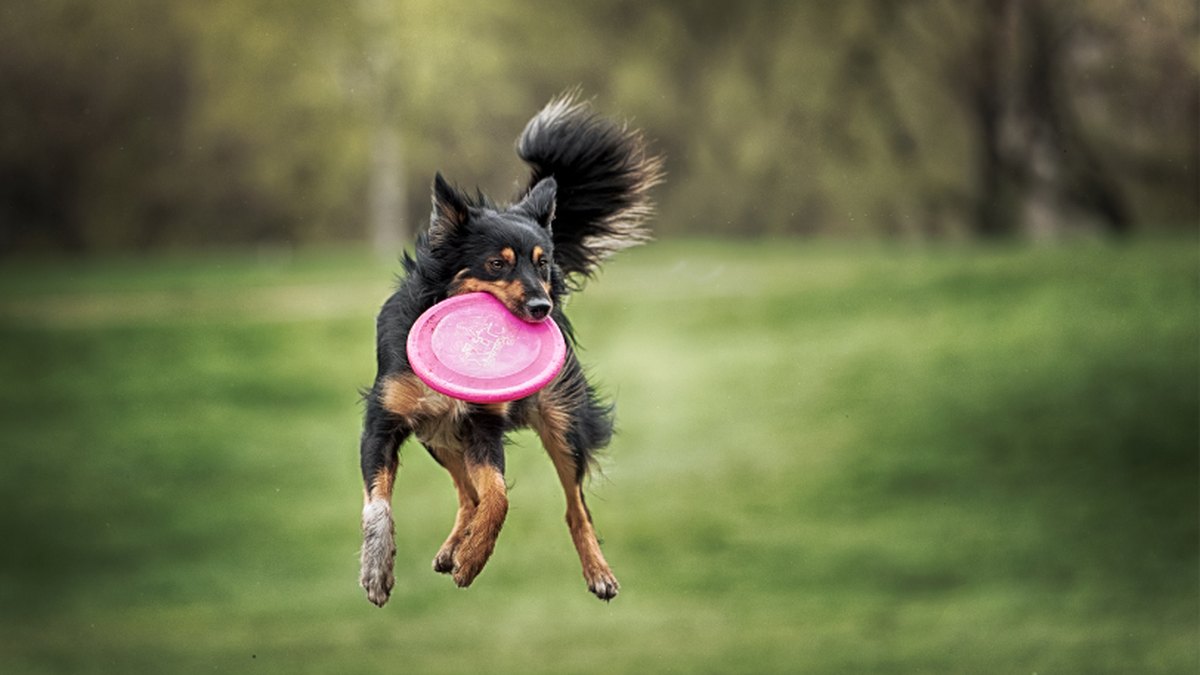
Be honest here, because this is exactly where people overestimate themselves. Picture not the sunny-Sunday version of you, but the you at 7pm on a wet Tuesday when a walk is the last thing you want. A Border Collie or Australian Shepherd won't care that you're tired — they need proper exercise and something to think about every day, and when they don't get it, you'll find out through chewed furniture and barking at dawn. I once watched a bored young Lab take apart a sofa cushion in a single afternoon. If you'd rather a slower gear, a Bulldog or a Basset Hound would honestly rather amble than run, and they'll happily settle at your pace.
Your living space

Space matters too, though maybe not how you'd assume. What really counts is the dog's engine, not the square footage. A laid-back small dog can be blissfully happy in a one-bed apartment. But take a young, high-energy big dog, shut them in that same flat with no yard to burn off steam, and you're both headed for a rough time — the neighbors too. Oddly enough, a large calm dog with a bit of outdoor access often settles better than a pocket-sized live wire. So weigh up energy first, and the floor plan second.
Your time — for training and grooming
Every dog needs your time, but some need a lot more of it. A smart, driven breed wants training and engagement or it'll invent its own hobbies. And coat matters more than people expect: short-haired breeds like Beagles and Boxers are wash-and-go, while Poodles, Yorkies, and Bichons need regular brushing and professional grooming to stay comfortable. Be realistic about the hours — and the budget — you can give.
Your household and family
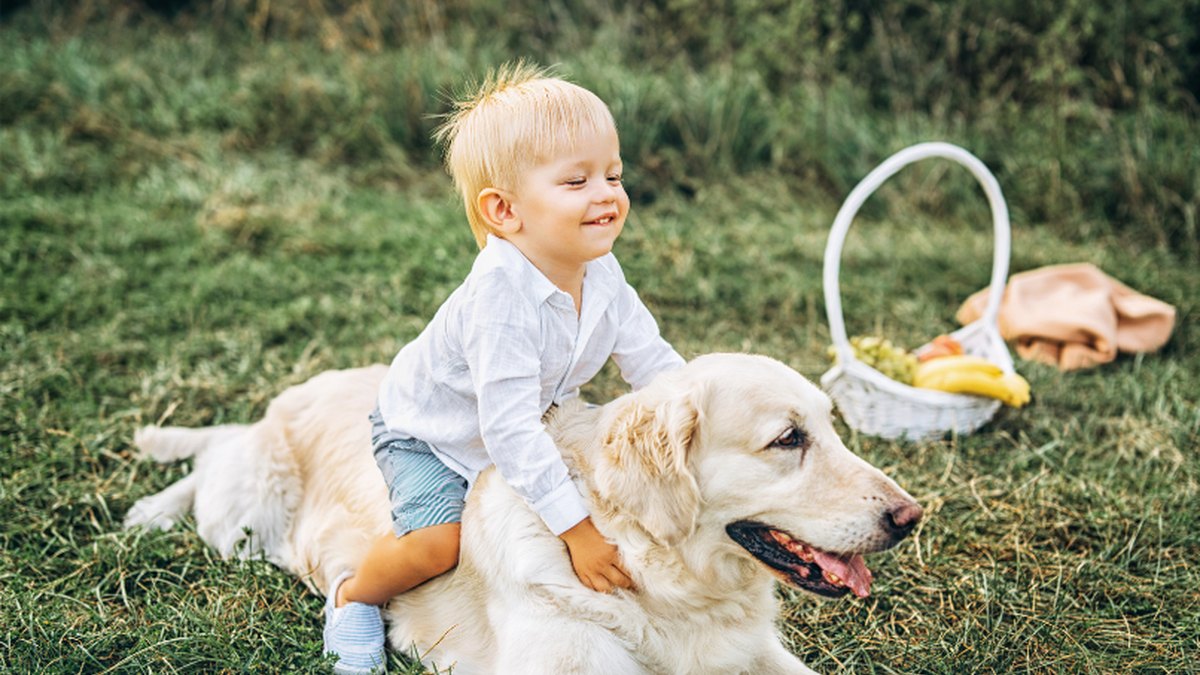
If there are kids, other pets, or a steady stream of visitors, temperament is what matters most. Some breeds take all that noise in stride and love the company. Others are shyer, or come with a prey drive that makes life with the cat complicated. A busy, boisterous household simply asks more patience of a dog than a quiet one does — so be honest about which yours is, and pick a temperament that can handle it.
Popular Dog Breeds — and Who They Suit
It helps to see how this plays out with the breeds people ask about most. Here's the honest, who's-it-for version.
Labrador Retriever. Friendly, endlessly trainable, brilliant with kids — and genuinely energetic. A fantastic family dog for an active household that can meet those exercise needs, not a low-effort pick.
French Bulldog. Affectionate, playful, low exercise needs, and happy in an apartment, which is why they've exploded in popularity. Big personalities in a small package who mostly want to be with you — though their flat faces mean extra care in heat and some known health considerations.
Golden Retriever. Gentle, loyal, and easy to train, which is exactly why they're everywhere as therapy and assistance dogs. Wonderful family dogs who love the outdoors and thrive on regular activity.
Border Collie. Widely considered the most intelligent breed there is — and that's a warning as much as a selling point. Bred to herd, they need serious daily exercise and mental challenge. Perfect for an active, engaged owner; overwhelming for a quiet one.
Cocker Spaniel. Cheerful, loving, and moderately energetic — a lovely middle-ground companion for families who can give attention and a decent walk, without the all-day drive of a working breed.
Dog Breed Groups Explained
If a breed isn't on that list, its group still tells you a lot, because dogs in a group tend to share instincts.
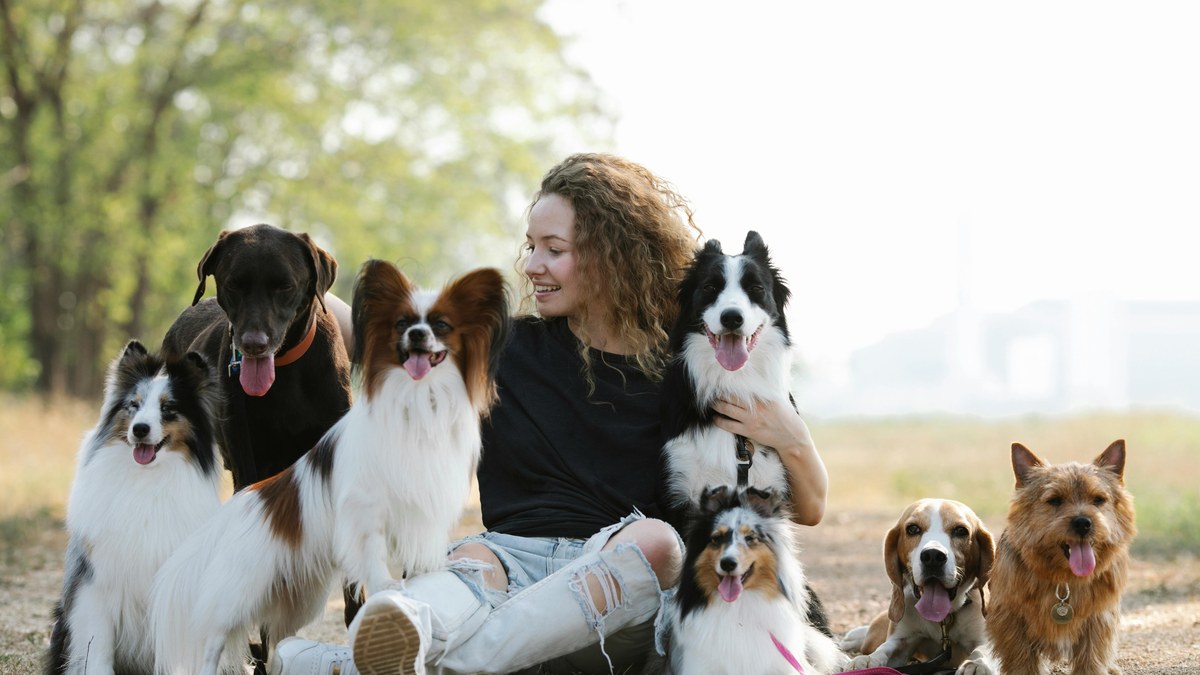
Working dogs (Siberian Husky, Boxer, Doberman) were built to guard, pull, or assist — strong, smart, and happiest with consistent training and a purpose. Herding dogs (Border Collie, Australian Shepherd, Shetland Sheepdog) are intelligent live wires that need to move and think. Sporting dogs (Labradors, Golden Retrievers, spaniels) are energetic, friendly, and eager to please. Toy breeds (Pomeranian, Chihuahua, Yorkshire Terrier) are small companions well suited to compact homes. And hounds (Beagle, Greyhound, Dachshund) come with strong scent or sight instincts and an independent streak that can make training a patient project.
Spot the group your favorite breed belongs to and you've got a shortcut to its likely needs.
What's the Best Dog Breed for a First-Time Owner?
There's no single answer, but the best first dog is usually one that's forgiving of your learning curve — trainable, even-tempered, and not so high-drive that small mistakes snowball. Breeds like Labradors, Golden Retrievers, and Cavalier King Charles Spaniels earn their beginner-friendly reputation for exactly that reason. Just remember that a well-matched calm mixed breed can be every bit as good a first dog as any pedigree.
Purebred or Mixed Breed?
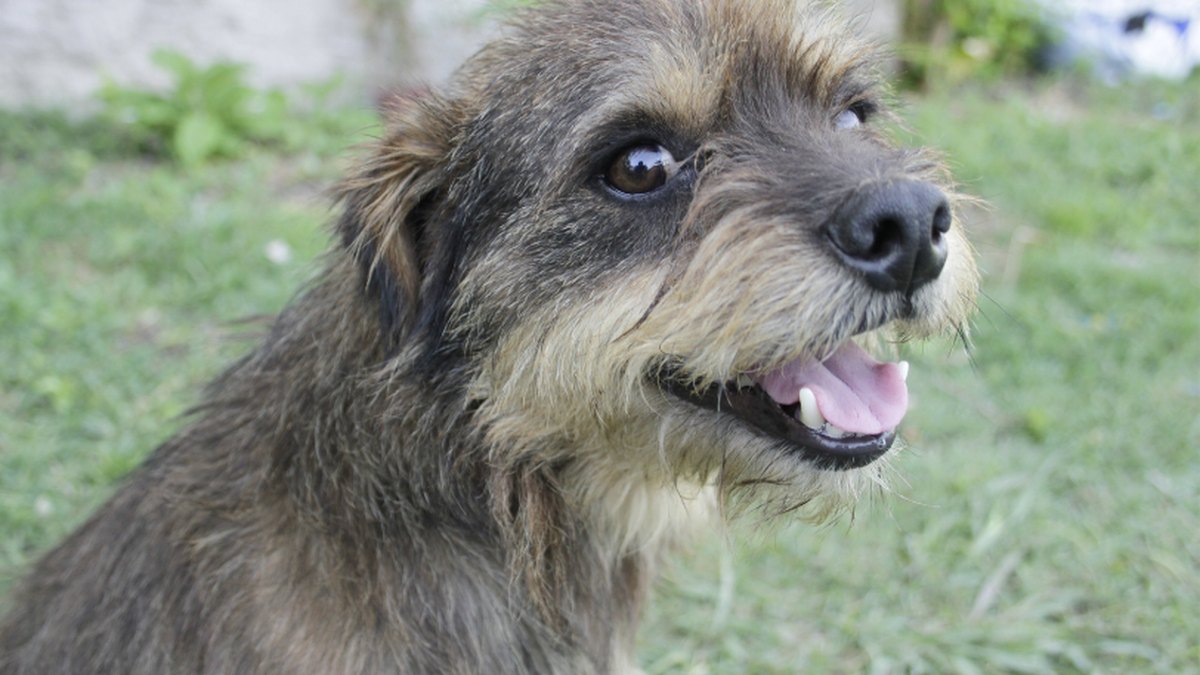
Purebreds give you predictability — you have a decent idea of the size, coat, and temperament you're signing up for. Mixed breeds trade a little of that certainty for wonderful variety, often a lot of charm, and sometimes a hardier constitution thanks to a wider gene pool. Plenty of the best dogs I've known were one-of-a-kind mixes from a shelter, and adopting one is a genuinely great way to find your match. Neither route is "better" — it just depends on how much you value knowing what you're getting versus being pleasantly surprised.
Remember: You're Choosing a Dog, Not Just a Breed
For all the value breed gives you, the dog that comes home is an individual — with quirks, moods, and a personality all their own. The real bond gets built after the choosing, in learning to read who this particular dog is: what their body language says, what lights them up, what worries them. If you'd like a head start on that, our guide on how to read a dog's body language is a great next read.
Choose thoughtfully, then stay curious. That's the whole trick.
Get Closer to Your Dog with PawPaw
Whatever breed you land on, your dog will spend every day telling you who they are — in their behavior, their expressions, the way they move. The better you read it, the deeper the bond goes.
With PawPaw, you can upload a video of your dog and get a sense of what their behavior might be telling you. The app turns everyday dog moments into fun talking-dog videos while helping you understand your companion a little better.
Because the more you understand your dog, the stronger your bond becomes. Join the waitlist and be first to try it. 🐾